


The Biggest Lawn Care Mistakes Homeowners Make During a Drought in Northeast OH
Summers in Northeast Ohio can bring a lot more than just sunshine and pool days. They can also deliver stretches of hot, dry weather that leave your lawn a little thirsty.
While you can cool off with a dip in the pool or escape into your air conditioned home, your grass doesn’t have that luxury, which is why it can suffer from drought stress in the summer.
The good news is that with the right drought lawn care tips for Ohio, you can help your lawn ride out the heat, emerging from summer healthy and ready to thrive.
To learn how to care for your lawn during drought, in this guide, we discuss:
- Why Drought Conditions are so Challenging for Northeast Ohio Lawns
- How Professional Lawn Care Helps Protect Your Lawn During Drought Conditions
- FAQs About Drought Stress
- How to Protect Your Northeast Ohio Lawn With Help From Turf Pride
Why Drought Conditions Are So Challenging for Northeast Ohio Lawns
Cool-season grasses that you might find in your yard, like Kentucky bluegrass, perennial ryegrass, and tall fescue, tend to grow upward from March through June and focus on root growth from September to October.
These cool-season grasses can survive Northeast Ohio’s winters, but they may struggle more with drought tolerance than the warm-season grasses found in southern states.
Signs of drought stress can include discoloration, wilting, and slower growth. Keep in mind that some browning of your lawn is normal during drought.
Let’s get into what you can do as a homeowner to protect your grass during drought and how you can avoid the biggest lawn care mistakes during a drought.

Mistake #1: Watering Too Frequently and Too Shallow
While underwatering your lawn may seem like the most obvious mistake you can make during a drought, overwatering can be just as bad.
Overwatering can deplete your lawn of nutrients and cause moisture-loving weeds like nutsedge and crabgrass to take over.
Plus, daily light watering actually creates shallow root systems because roots tend to follow the water, so if water is constantly available, they will not reach deeper into the soil to find it.
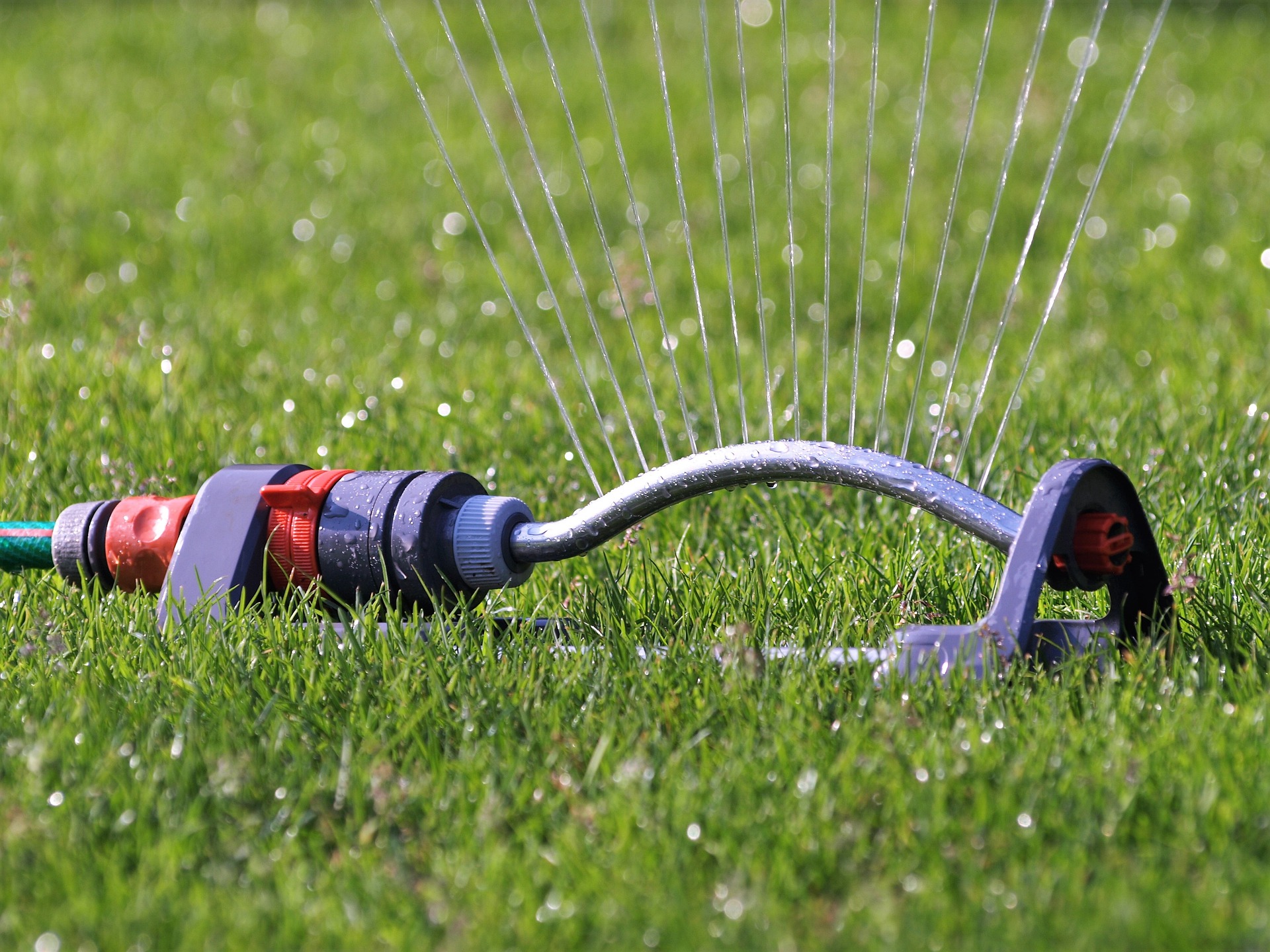
Instead of light, shallow watering every day, water your lawn deeply about two to three times per week for a total of 1 to 2 inches.
Make sure to water in the morning so the moisture has a chance to sink into the soil before the heat of the day. Try to avoid watering in the evening or at night as this can serve as an invitation for various lawn diseases to creep into your yard.
Mistake #2: Assuming a Brown Lawn Is Dead
Contrary to popular belief, if your lawn is brown, that does not mean it is dead.
During stretches of hot, dry days, cool-season grasses go into a state of dormancy to conserve energy until fall brings cooler temperatures and more rainfall. Think of this as the turf’s way of protecting itself during drought.
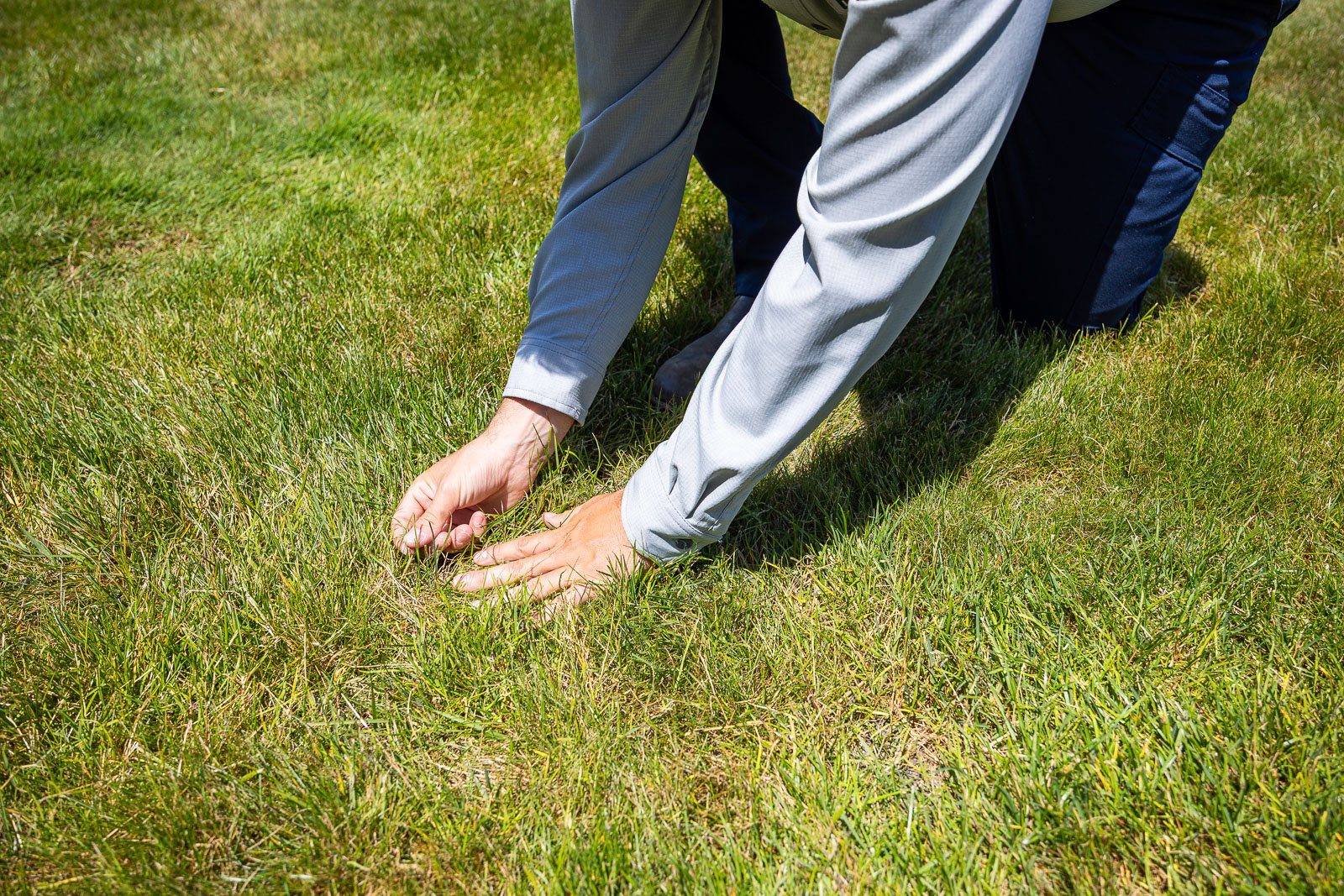
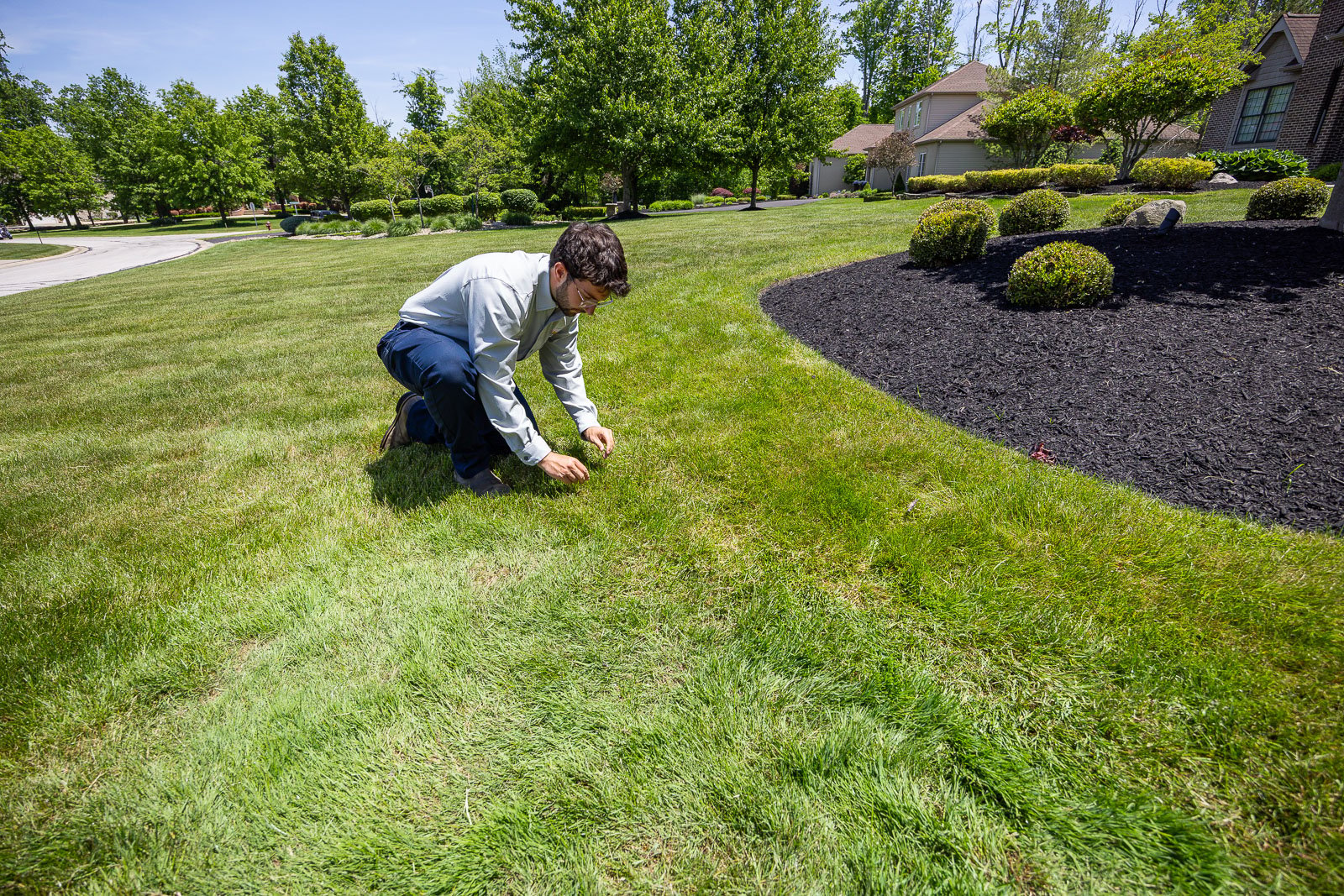
While both dormant and dead grass look brown and dry, dormant grass does not pull out easily and is typically uniformly brown. What’s more, a dormant lawn will “needle up,” meaning the grass blades will be needle thin, but a dying lawn will be more matted down.
If you have spots of brown throughout your lawn, that may be a different cause for concern.
Once cooler temperatures and more moisture arrive during the fall, your grass will begin to green up, but be patient as it may take a couple weeks. Continue to ensure your grass receives 1 to 2 inches of water per week during this time.
Mistake #3: Mowing Too Short During Hot, Dry Weather
There are a few mowing mistakes common during the summertime.
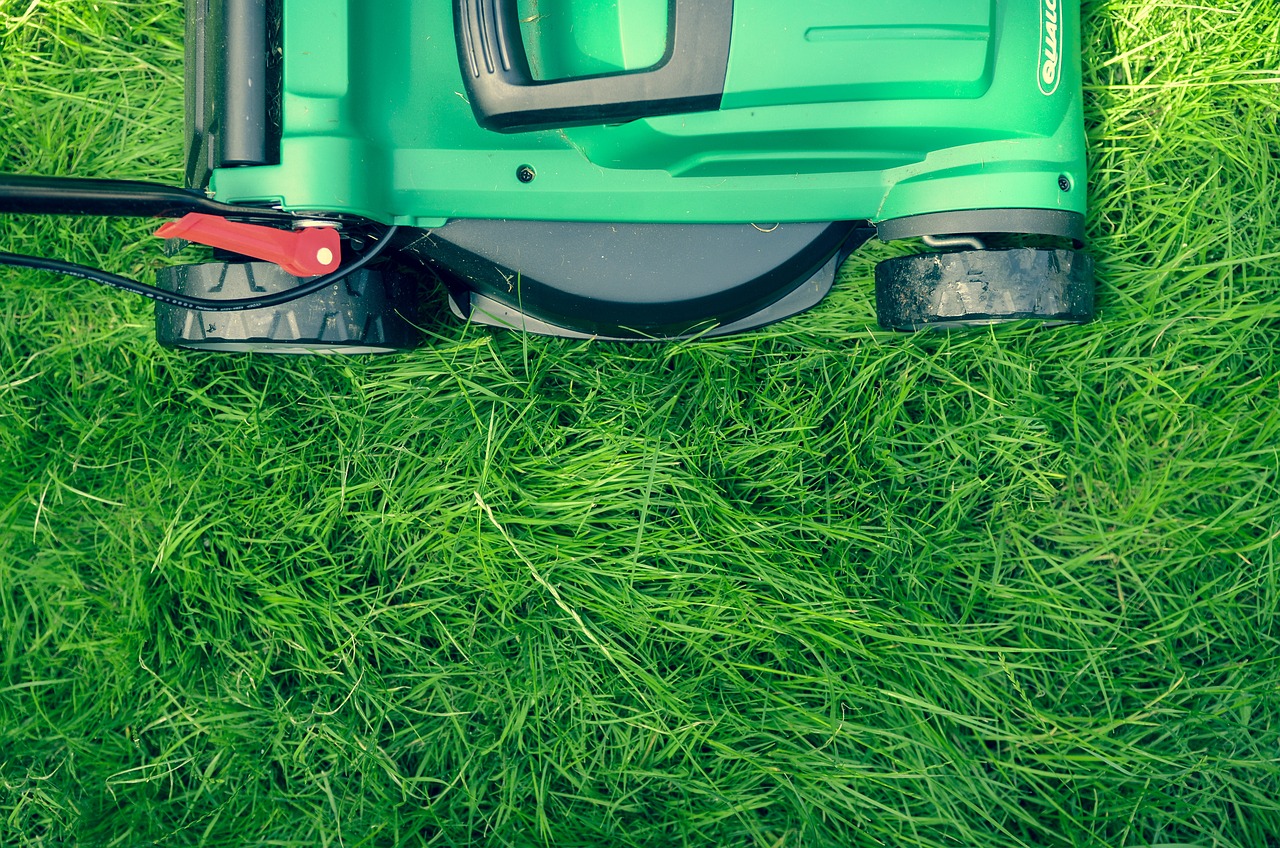
While it’s tempting to want to cut your grass short in the summer, you will want to make sure you’re cutting your grass at a height of 4 to even 4.5 inches in order to help protect the crowns of the grass plant and help the grass blade conserve moisture.
What’s more, with each cut, you should take care to never remove more than one-third of the grass blade, as this can lead to excessive turf stress.
Mistake #4: Applying The Wrong Fertilizer at the Wrong Time
While you can still fertilize the lawn in the summer, it’s important to pay attention to the type of fertilizer that you use.
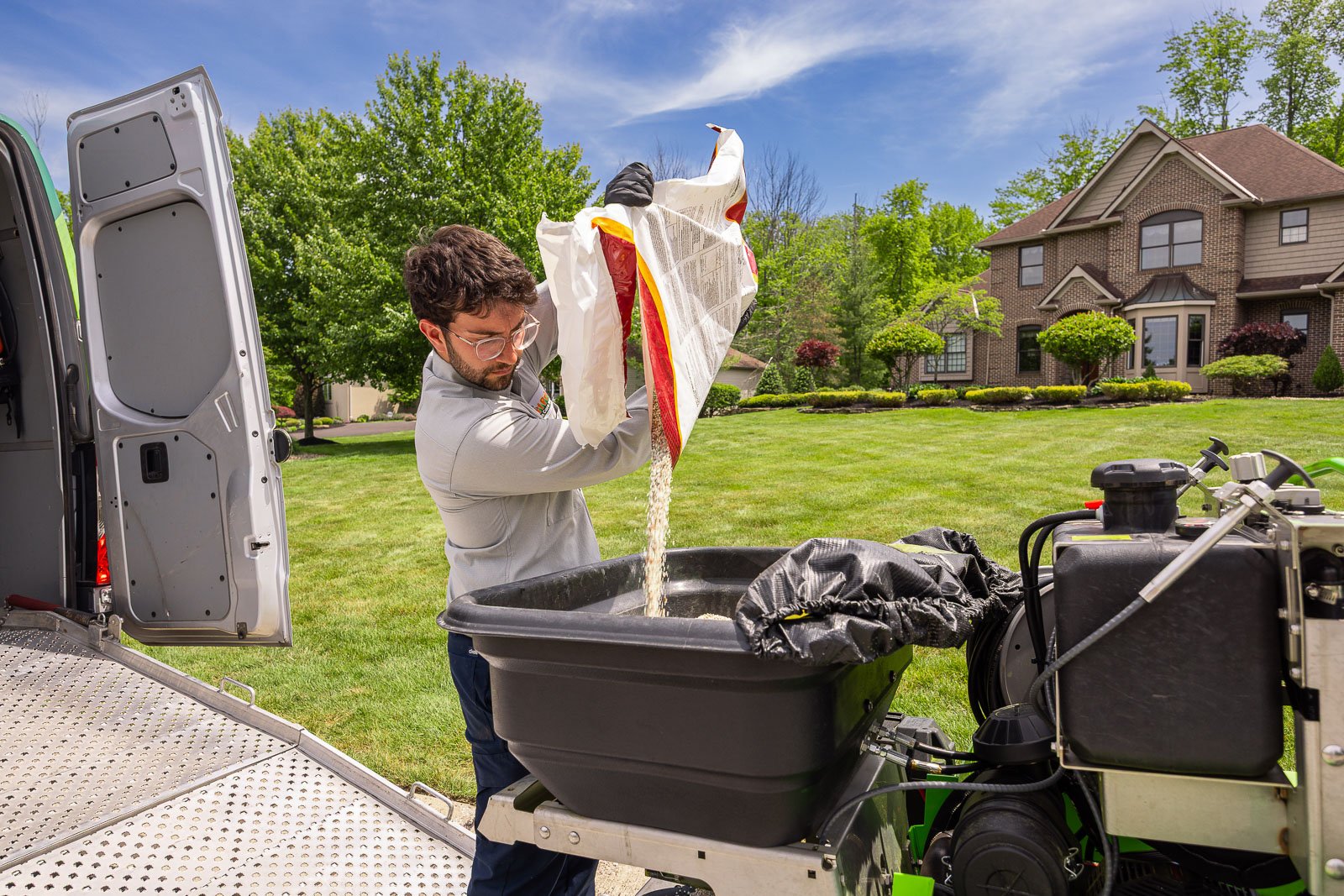
For instance, applying quick-release fertilizers can suck moisture from the grass and waste materials if the grass is not ready to take up the nutrients.
On the other hand, slow-release fertilizers give the grass the nutrients it needs over time, assisting with summer recovery. If you’re ever in doubt of the timing or type of fertilizer, you can enlist a professional to do this for you.
Mistake #5: Ignoring Soil Compaction and Root Health
Healthy grass starts from the bottom: at the roots. Even though you can’t see the roots, it’s important to nurture them.
You should also note that compacted soil can impact grass well-being. A compacted lawn hinders roots from growing deep and limits water penetration. More often than not, compacted areas are the first to show drought stress and go dormant.
That’s where aeration can come into play to help break up compaction and allow for better flow of air, nutrients, and water. Overseeding can then help fill in bare spots from there.
Mistake #6: Trying DIY Solutions Found Online Without Considering Local Conditions
These days, it seems as if the go-to for any question is the same: Google it.
However, before you decide to try a DIY solution, you need to be aware that not all grasses can withstand the same conditions, so advice pertaining to southern climates often doesn't apply to our climate in Northeast Ohio.
For example, tips on cutting height or fertilizer applications meant for warm-season grasses can backfire locally, causing your grass to do the opposite of what you intended.
For any questions you have about your lawn, it’s best to consult with an expert who understands local grass types, weather patterns, and potential threats to your lawn.

Mistake #7: Waiting Too Long to Address Drought Damage
If you suspect that your grass may be suffering excessive damage, don’t wait to contact a turf professional.
If your lawn remains brittle after watering, pulls up like carpet when you tug on it, or looks matted down, these are signs your grass may be dying or you have another issue on your hands.
The sooner you start recovery strategies in the fall, like aeration, overseeding, and fertilization, the sooner your grass can start to recover.

How Professional Lawn Care Helps Protect Your Lawn During Drought Conditions
If you have any questions about Northeast Ohio drought care, Turf Pride can help.
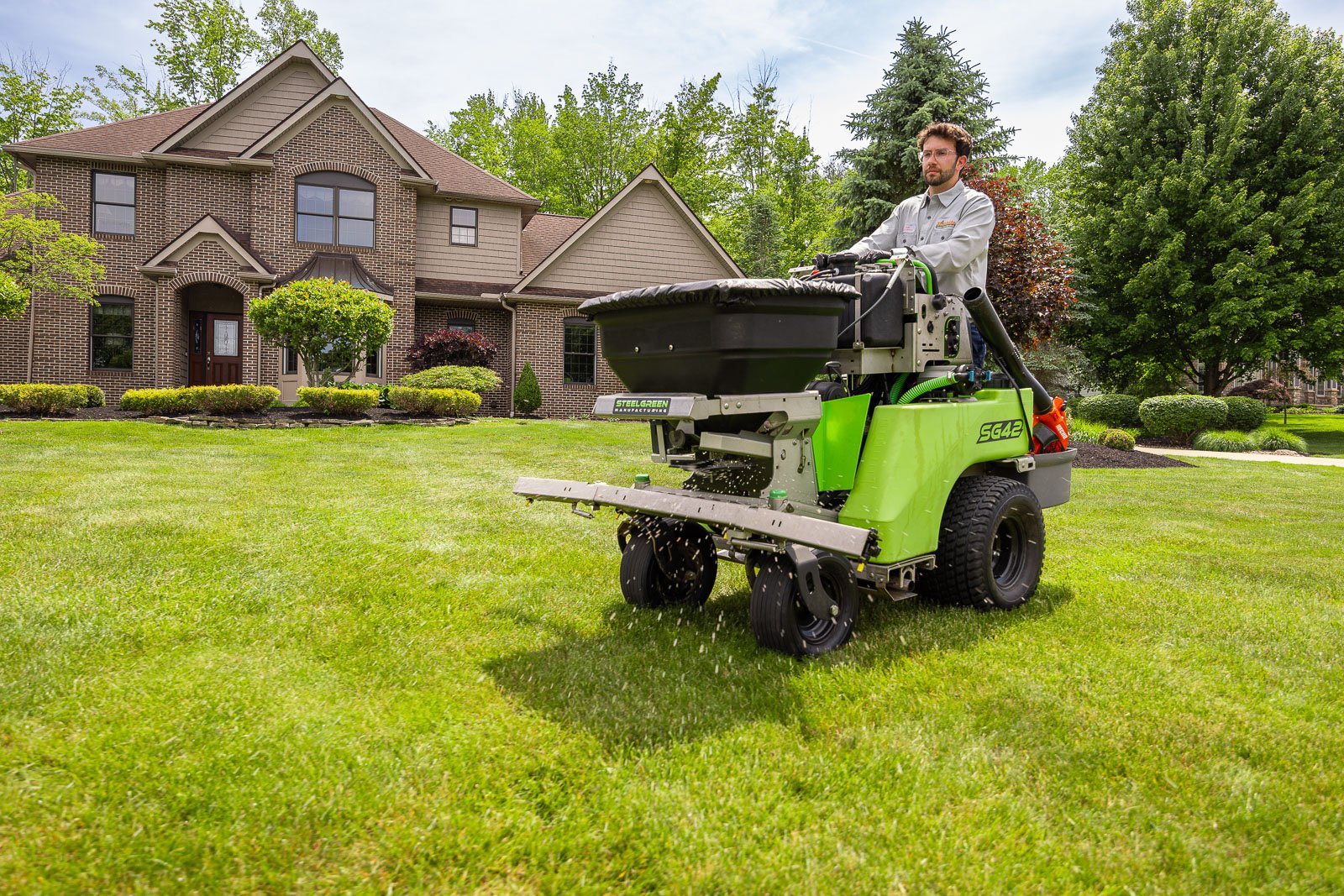
Our technicians are constantly monitoring your yard during treatments and can provide customized recommendations based on what your lawn needs. They also keep a close eye on weather patterns and local growing conditions so they are prepared to help your lawn get through whatever the season may bring.
Remember that cultivating a drought-tolerant lawn starts long before summer arrives. Lawn care programs that include proactive weed control, fertilization, aeration and overseeding can encourage deeper root systems, improve your soil’s health, and create a denser lawn, giving your lawn the boost it needs to be more resilient against Northeast Ohio’s hot, dry summer conditions.
FAQs About Drought Stress
How much should I water my lawn? How often should I water my lawn?
Watering the lawn during a drought is key. Water your lawn in the mornings before the heat of the day. Aim for 1 to 2 inches total per week, spread out over two to three watering sessions.
Is my lawn dead if it’s brown?
No, brown grass does not necessarily mean that your lawn is dead. In many cases, it can indicate summer dormancy, a state your grass enters to conserve energy to protect itself against the heat.
Dying grass, on the other hand, may be matted down and will be easy to pull up.
Is it bad to fertilize a lawn in the summer?
A common misconception is that the fertilizer will burn the lawn. At Turf Pride, our summer fertilizer is designed to slow feed the lawn and give it the nutrients needed for recovery.
How long will it take my grass to recover from heat stress?
Be patient. Depending on the severity of the drought, it may take several weeks for your grass to regain its color and vigor.
Protect Your Northeast Ohio Lawn with Help from Turf Pride
It’s time to weed out the common lawn care mistakes that can prohibit your yard from reaching its full potential.

To help your Northeast Ohio lawn grow above the rest, enlist the help of Turf Pride, which offers a comprehensive lawn care program that includes services like fertilization, weed control, aeration, and overseeding.
Request a free quote or professional evaluation today.