


Lawn Care Challenges Unique to Mentor, OH: What Homeowners Should Know
In Mentor, Ohio, a lush lawn comes down to more than just growing grass and mowing it every once in a while. It also comes down to knowing how Lake Erie influences seasonal weather patterns, how soil conditions in the area affect turf health, what insects and diseases are most likely to infiltrate the area’s lawns, and more.
That’s why we at Turf Pride wanted to break down the unique Mentor, Ohio, lawn care challenges and help you figure out how to contend with them.
/Bare%20spots%20and%20weeds%20on%20lawn.jpg?width=1198&height=672&name=Bare%20spots%20and%20weeds%20on%20lawn.jpg)
Mentor Ohio Lawn Care Challenges
Whether it’s weather conditions, soil conditions, pests, or diseases, there are several challenges unique to Mentor, Ohio.
How Weather Patterns in Mentor Affect Your Lawn
1. Humidity + Moisture
If you’ve ever heard the phrase, “it’s not the heat that gets me, it’s the humidity,” then you likely know that the summer months in Northeast Ohio can be humid.
This moisture in the air is often the result of warmer air passing over the cooler waters of Lake Erie.
While humidity can be irritating to us humans, it can also promote unwanted side effects in your yard. For example, hot, humid conditions can cause moisture to become trapped within your grass blades, creating the perfect breeding ground for weeds and diseases.
Pro Tips to Combat Humidity + Moisture:
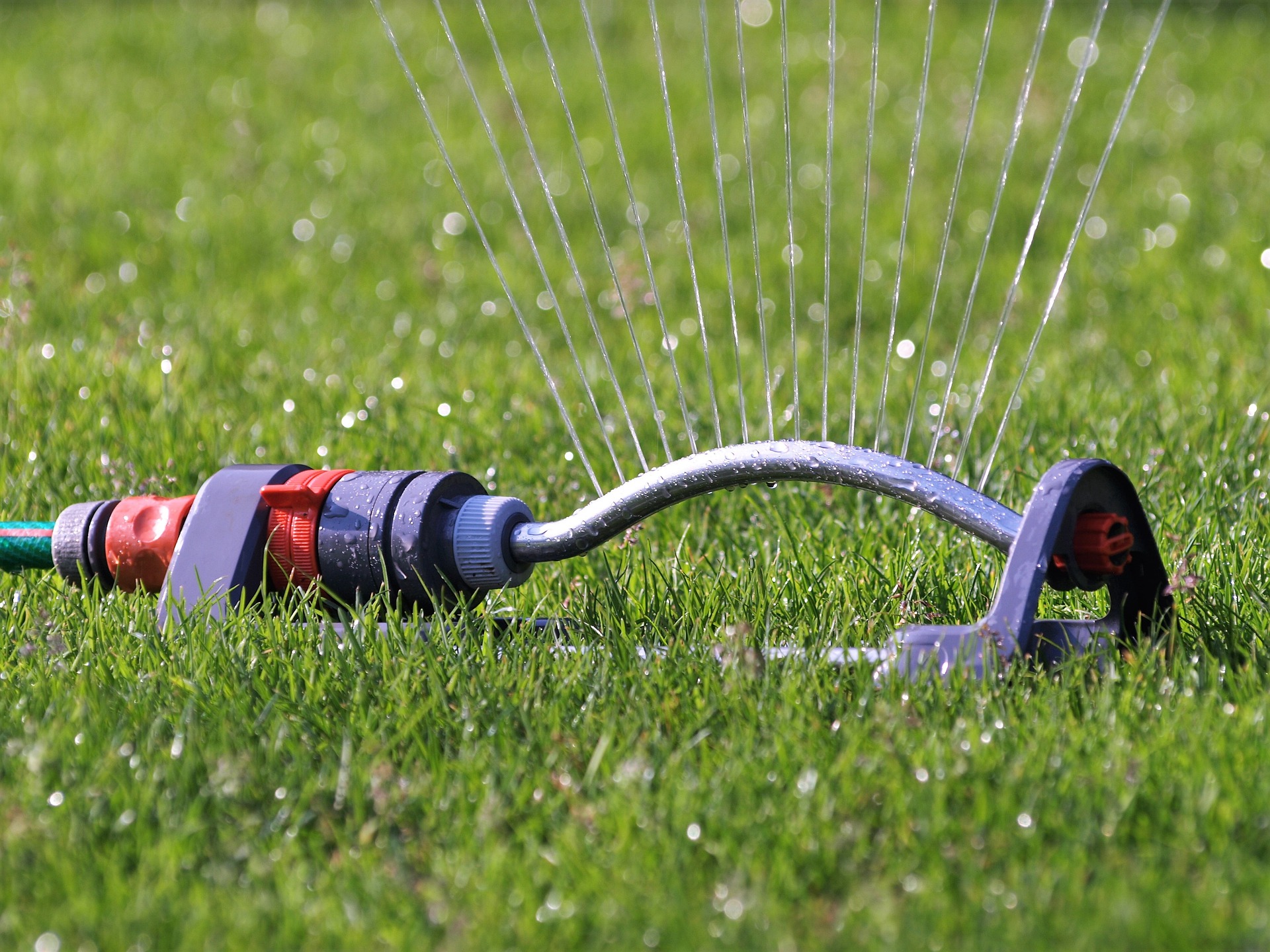
- Water Wisely: Take care to not overwater your lawn as this can cause excess moisture. Also, water your lawn in the morning, rather than at night.
- Mow Properly: Set your cutting deck a height of 3 inches or more and mow infrequently as this causes less stress to the grass blades, allowing them to stay strong against weeds and diseases.
- Improve Airflow: Aeration breaks up the soil within your yard, allowing more air and nutrients to reach the grass roots.
- Add in a Lawn Care Regimen: Preventive lawn care treatments can keep the weeds at bay, so you don’t have to worry about them taking over once humid conditions hit.
2. Heavy Precipitation + Drainage Issues
Just as Lake Erie can cause Northeast Ohio to be humid, it can also bring heavy precipitation to the region. Lake effect precipitation occurs when colder air masses from the north sweep in over the warmer lake waters. Depending on the temperature, this can lead to lake effect rain or lake effect snow.
Like humidity, excess precipitation can lead to an increase of fungal diseases and compact your soil.
Pro Tips to Contend with Heavy Precipitation + Drainage Issues:
- Address Drainage Issues: If your yard already has areas within it that don’t drain, it may be time to address those by grading the soil (always away from your house) or aerating your lawn, which will also allow your lawn to breathe better.
- Reduce Soil Compaction: When there is excess moisture on your lawn, whether from rain or snow, try not to walk on the lawn too much. Also, be sure to not mow or use heavy machines on the lawn if the grass is already wet. Remember that aeration is also a great way to break up soil compaction.
3. Summer Heat + Drought Stress
Summer heat in Northeast Ohio can lead to a yellowing or browning within your lawn, called drought stress. You may also notice that you have to mow your lawn less during this period of time, as the grass doesn’t grow as much.
Expert Advice to Deal with Summer Heat + Drought Stress:
- Water Deeply: When you do apply water to your lawn, aim for about 2 inches of water weekly.
- Weed Control: Eliminating weeds–or preventing them in the first place–can help your grass by taking away a source of competition for water and nutrients.
/weeds%20in%20lawn.jpg?width=1600&height=902&name=weeds%20in%20lawn.jpg)
4. Winter Damage
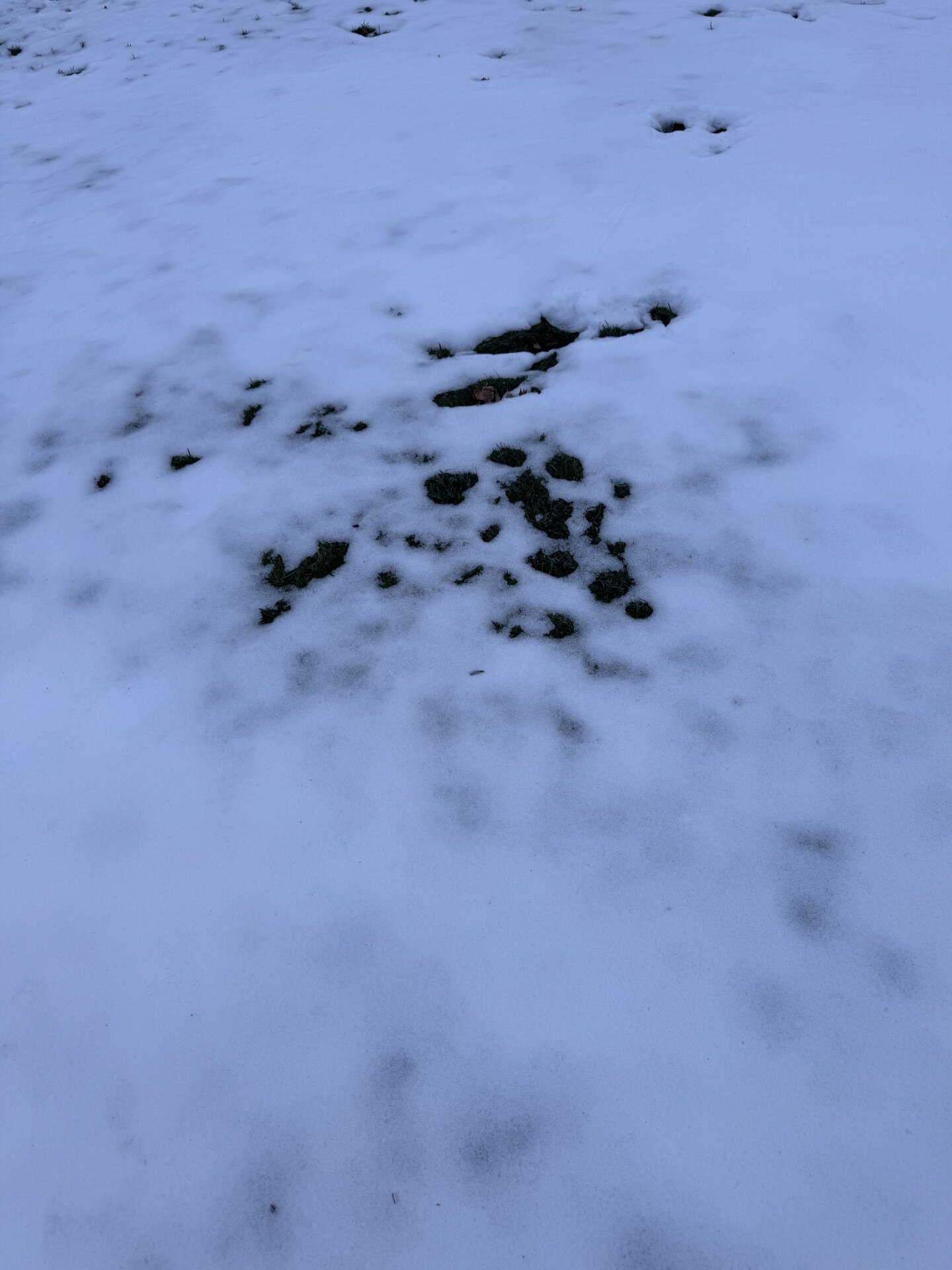
Excess snow in the winter can cause fungal diseases like snow mold to take hold in your lawn–though you likely won’t notice the effects until spring.
Similarly, frost can make grass blades brittle and potentially damage them, especially in areas close to the lake like Mentor and in regions with higher elevations like Kirtland. Damage that occurs during a frost can appear as brown spots or tracks throughout the lawn.
Guidelines to Limit Winter Damage:
- Limit Lawn Traffic: Take care to not walk on the lawn or use heavy machines on the lawn after a frost as this can break the already brittle grass blades.
- Fertilize the Lawn: A late-fall fertilizer application can help strengthen grass blades against winter damage.
Soil Types in Mentor and How They Affect Turf Health
There are typically two types of soil conditions that prevail in Northeast Ohio, and surrounding areas: sandy and clay. If you are unsure which type your property has, a Turf Pride technician can easily help you identify your soil type.
Sandy Soil Conditions
The closer you live to Lake Erie, the more likely it is that you have sandy soil. This type of soil doesn’t hold water well, so you may need to water more to keep the grass from turning brown in the summertime.
Advice for Dealing with Sandy Soil:
- Plant the Right Grass Types: Grass types like tall fescue and Kentucky bluegrass will hold water better than other varieties. On the other hand, bentgrass and fine fescue have a shallow root system and are more prone to drying out in the summer.

Clay Soil Conditions
As you move farther away from the lake, clay soil becomes more predominant.
Generally, clay soil gets very compacted, and the ground can start to feel as hard as concrete. If left unaddressed, grass will start browning and thinning, leaving you with bare spots and areas in your yard that just won’t grow. Eventually, the grass may die.
Note that fewer housing developments tend to feature more clay soil and rocks in the soil.
Expert Insight to Contend with Clay Soil:
- Aerate: It may be necessary to aerate every year for the first five to 10 years on a property that’s a new build to continually alleviate the compaction.
- Overseed: It’s beneficial to the yard to introduce new varieties of grasses to combat patchy lawns.
Tree Coverage and Lawn Health
While trees provide numerous benefits to the overall environment, large trees that cast a lot of shade can make it harder for the grass underneath to grow.
Not only do the trees block out the sun for the grass, which needs at least four to six hours of direct sunlight to stay healthy, but the trees also absorb a lot of the water and nutrients the grass needs to survive, causing it to thin and eventually die out.
Conversely, areas with few trees can provide too much sun, which, when combined with hot summer temperatures, can lead to drought stress. We often see this in newer neighborhoods with few trees.
Pro Tips to Contend with Tree Coverage:
- Prune Trees: Thin out branches to allow sunlight to filter through.
- Aerate: Aerating will allow more air, nutrients, and water to reach the grass roots, and will also help break up compaction issues that can occur underneath large trees.
- Overseed: Performed by Turf Pride in tandem with aeration, overseeding introduces new varieties of grass to your yard, helping fill in thinning or bare spots.
/looking%20at%20tree%20with%20technician%20and%20customer.jpg?width=1600&height=902&name=looking%20at%20tree%20with%20technician%20and%20customer.jpg)
Common Lawn Diseases & Pests in Northeast Ohio
In addition to climate considerations, you must also be on the lookout for disease and pests that can infiltrate your lawn.
Lawn Diseases
1. Red Thread
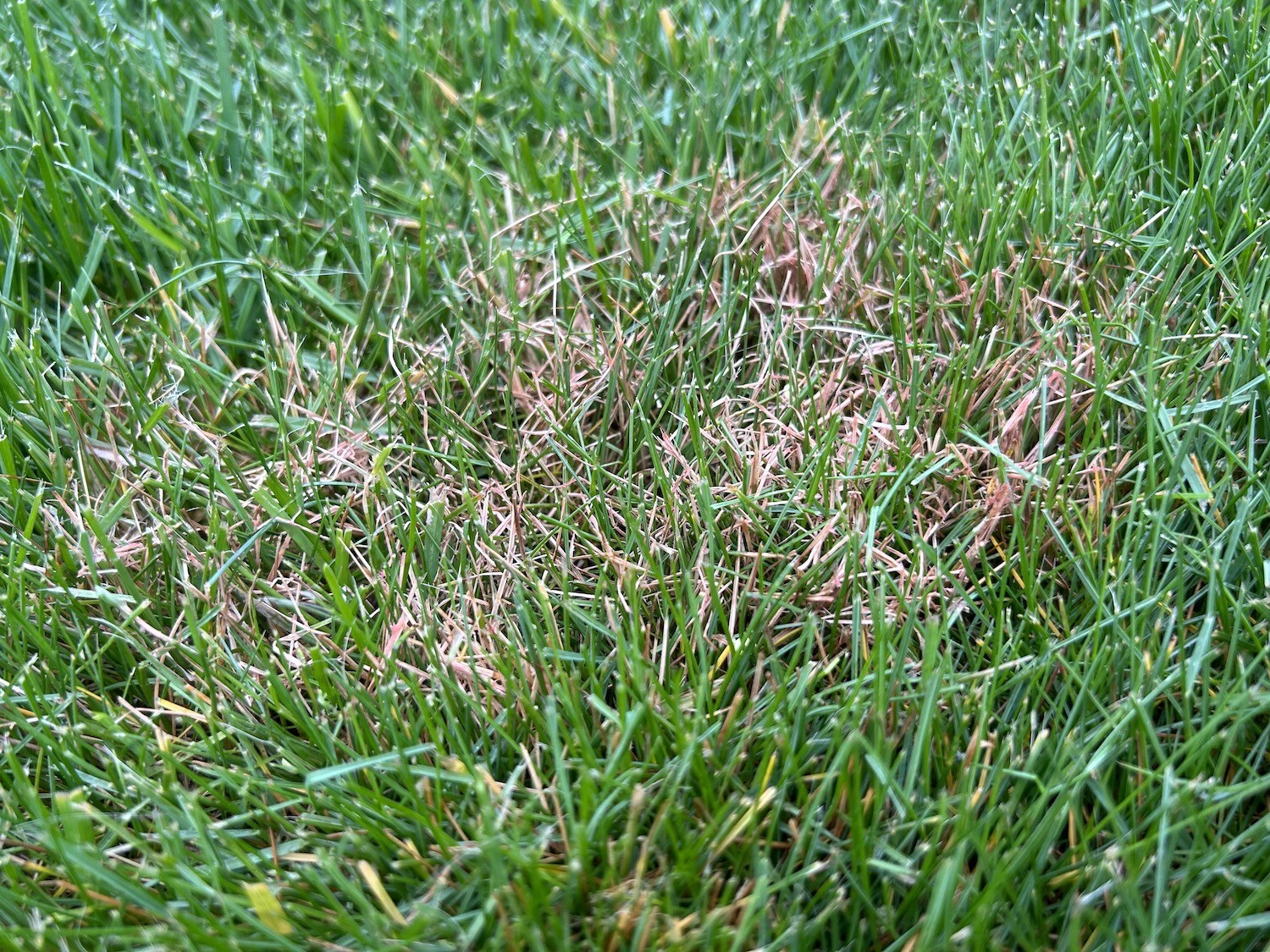
Typical in bluegrass and fine fescue lawns, red thread manifests as tan spots throughout the yard at the tips of the grass blades. In those spots, you will notice what looks like a red thread coming out of the blade. In the most serious cases, you may also see a pink mycelium that looks like cotton candy.
2. Dollar Spot
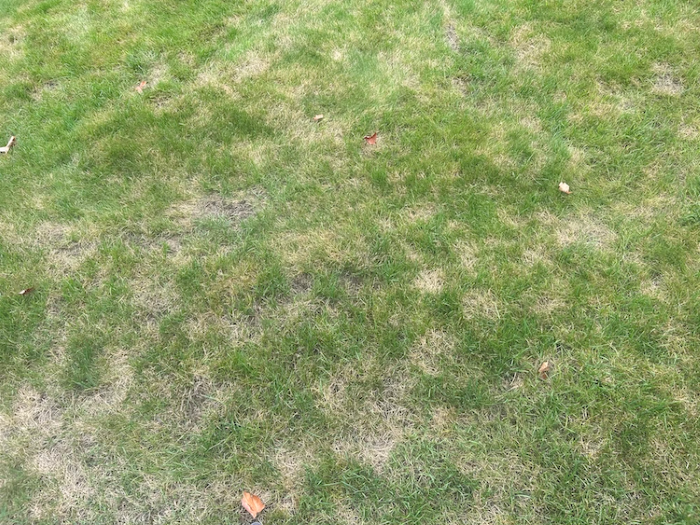
Dollar spot causes little brown patches that look similar to red thread patches, but when you look closely at the grass blades, you will find an hour-glass-shaped tan area on the grass blades, but the tips of the grass will be green.
3. Snow Mold
Once the snow melts in the spring, snow mold looks like blotchy areas that are tan, pink, or white in color. The grass will appear to be pushed down and meshed together.
4. Brown Patch
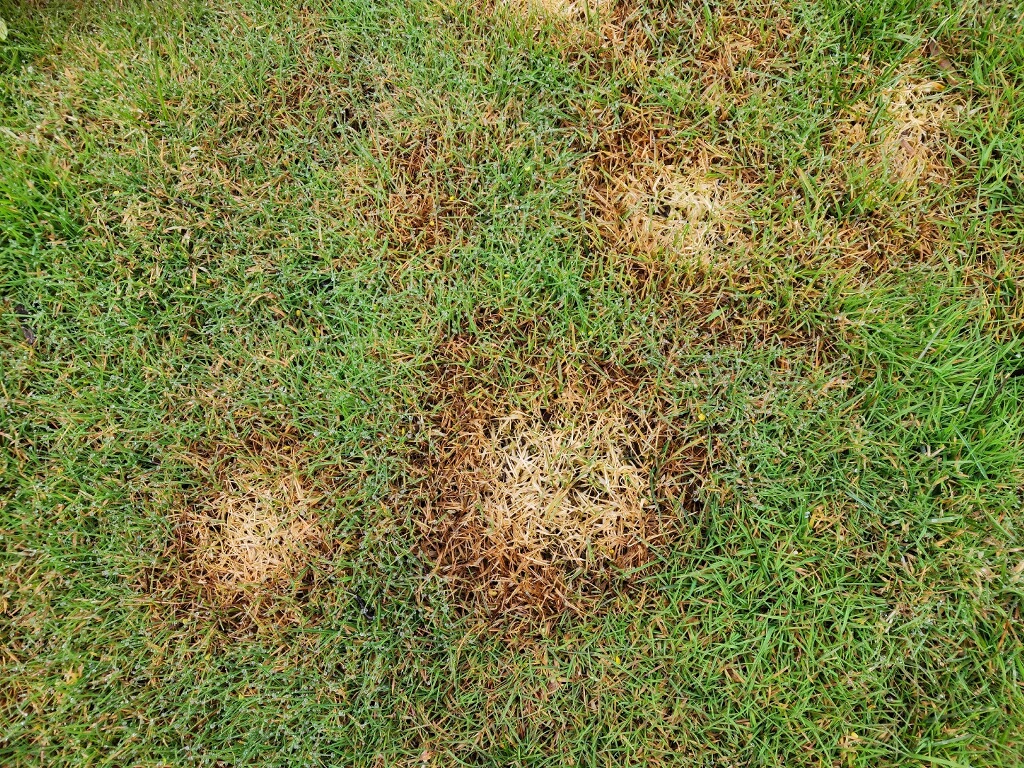
Brown patch appears as brown areas that include a darker circle surrounding a lighter circle, randomly scattered throughout the lawn. Infected grass blades will also feature a dark brown lesion.
Professional Advice to Eradicate Disease:
- Practice Proper Cultural Practices:
- When you mow, don’t lob off large portions of the grass blade at once. Instead, mow frequently and cut off smaller sections of the blades. If you do have to mow off large chunks of grass at a time, pick them up after mowing as this can lead to a thickening thatch layer.
- Be careful to not overwater your lawn.
- Fertilize your lawn in the spring and fall to fortify it against diseases.
- Remove debris from your lawn, like leaves in the fall to help promote air circulation.
- Aeration can also help ward off diseases by allowing grass roots to receive the air, nutrients and water they need to stay healthy.
Surface-Feeding Insects
Surface-feeding insects like chinch bugs and billbugs are particularly insidious because homeowners don’t typically notice them until the damage has already occurred.
Small black insects with white white wings forming a distinctive X on their back, chinch bugs feed on grass blades, causing a yellowing or browning of the turf.
Billbugs, on the other hand, have a bill-like snout and chew the grass blade from the inside out, causing holes in the grass.
Both are more active during warmer summer months.
Expert Tips to Eliminate Surface-Feeding Insects:
- Stay Vigilant:
- To check for chinch bugs, perform a “float test” in which you insert a can with both ends removed, fill it with water, agitate the grass, and see how many bugs float to the surface.
- To check for billbugs, perform a “tug test” on patchy or discolored of your lawn. If the grass comes up easily, that indicates root damage, and billbugs may be present. Also look for a sawdust material, called frass, that may be present at the base of the grass.
Grubs
The larvae of Japanese beetles and other beetles, grubs are white C-shaped pests with brown heads. They are subsurface-feeding insects, meaning they feed on grass roots.
Animals such as racoons digging through your yard may also indicate you have a grub problem.
Grubs are most active in the spring and fall.
Top Tips for Grub Control:
- Check For Grubs: If you pull at your grass, and it peels up like a carpet, you will likely notice grubs underneath.
- Grub Prevention: Grubs are a lot easier to prevent than eradicate, which is why as part of our lawn care program at Turf Pride, we include a grub control treatment.
/Live%20Website%20Images/close-up-grubs.jpg?width=1280&height=960&name=close-up-grubs.jpg)
Seasonal Lawn Tips for Northeast Ohio
Now that you know what types of issues can plague your Northeast Ohio lawn throughout the year, let’s review how you can best care for it.
Spring
Fertilization
In order to allow your grass to bounce back from winter stress, a spring application of fertilizer that has a higher level of nitrogen will encourage new growth and fortify your lawn against the threats present during the growing season, like insects, weeds, and diseases.
/Lawn-treatment-fertilizer.jpg?width=1200&height=800&name=Lawn-treatment-fertilizer.jpg)
Watering
During this time of year, you may be able to cut your grass shorter, to about a height of 2.5 inches, to get rid of some of the winter damage that has occurred.
Cultural Practices
If you notice that you have damage from snow mold, for example, gently rake out the discolored areas to allow for more air flow. Once temperatures increase, the grass will come out of dormancy and those spots will likely grow out.
Summer
Mowing
Make sure you are mowing frequently and set your cutting deck to about 3 inches.
/lawn%20mowing%20height.jpg?width=1200&height=676&name=lawn%20mowing%20height.jpg)
Watering
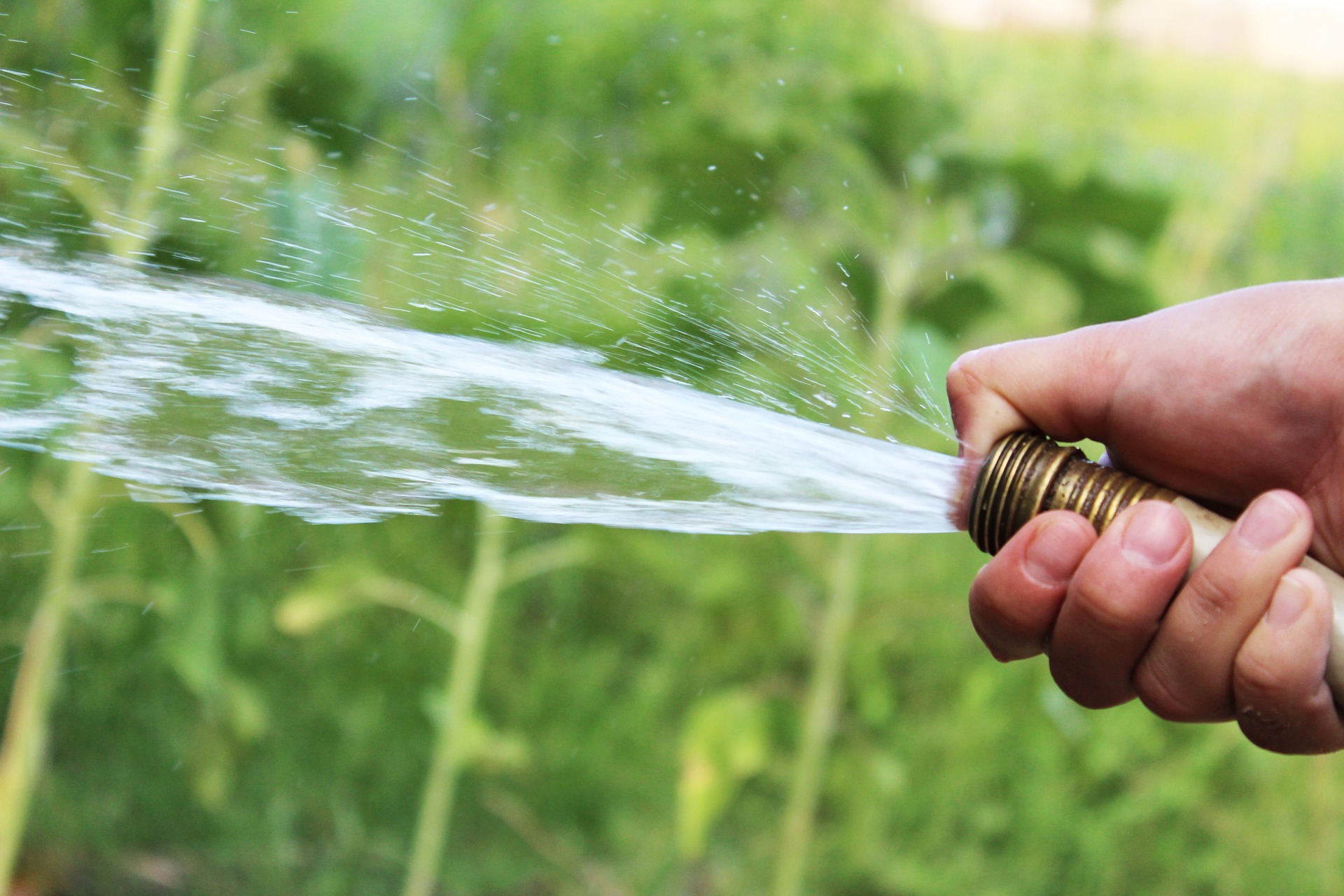
Apply about 2 inches of water to your lawn during the hot, dry summer months. Water deeply and infrequently, so, for example, put down about a half-inch at a time, two to three times a week.
Lawn Care Treatments
Turf care applications including weed control applied throughout the growing season will help ensure your lawn is ready to defend against various nuisances throughout the season. At Turf Pride, our lawn care program includes three such treatments.
Fall
Mowing
When it comes to mowing at the end of the season, you can cut your lawn at a height of about 2.5 inches, but no less. This will help reduce the chance of snow mold because if the snow lasts long, the grass underneath will get pushed down and will start meshing together, allowing the fungal diseases to grow on top of it.
Fertilization
In late fall, a fertilizer application helps promote root growth and gives the grass something to feed on during the winter months.
/Live%20Website%20Images/Lawn-care-technician-fertilizing-grass.jpg?width=1200&height=676&name=Lawn-care-technician-fertilizing-grass.jpg)
Cultural Practices
Typically performed in early fall, aeration and overseeding and can help promote air, water, and nutrient circulation, reduce compaction, introduce new types of grass into your lawn, and fill in bare spots. We do this in early fall because the cooler temperatures mean your grass is likely less stressed, and the new grass seed can more easily grow without the hot scorching sun.
Also, be sure to remove debris such as leaves from your lawn, as this can encourage compaction and create a breeding ground for lawn diseases like snow mold.
Winter
Cultural Practices
There’s not much you should do in the winter as your grass has entered a state of dormancy beyond trying to keep people and machines off your lawn as much as possible.
Trust that the work you did throughout the spring, summer, and fall will see your grass through the winter, and if you can, try to keep people and machines off the lawn during this time of year.
Professional Lawn Care Rooted in Local Expertise
Our technicians at Turf Pride know the lay of your lawn, and with years of experience rooted in Mentor, Ohio and surrounding areas, they can pull from a well of knowledge when it comes to the region’s neighborhoods, climate, and landscape challenges.
/Live%20Website%20Images/turf-pride-team-lineup-company-vehicles.jpg?width=1600&height=902&name=turf-pride-team-lineup-company-vehicles.jpg)
Whether you’re interested in enrolling in our lawn care program, learning more about aeration and overseeding, or just have questions about what’s going on in your yard, trust the experts at Turf Pride to help your lawn remain a cut above the rest and get a free quote today.