

Why Your Lawn Might Be Causing Indoor Pest Problems—and What to Do About It
You may be wondering how your lawn affects what goes on inside your home in the first place.
But when you think about it, you realize that common pests like ants, spiders, fleas, and ticks don’t just appear out of thin air in your home. Instead, they migrate indoors from your lawn, especially if it's unhealthy or neglected.
In other words, an unhealthy, untreated yard acts like a pest playground, giving these insects the perfect spot to breed, hide, and feed.
If you think your lawn is causing indoor pests, don’t panic—we have good news for you. A well-kept yard is your first line of defense.
Here are some of the best lawn maintenance and lawn care strategies for pest prevention so you can keep pests where they belong: outside.
5 Common Pests That Move Indoors from Your Lawn
Before getting into lawn care pest control tips, let’s briefly take a look at the pests that may use an unruly lawn as a welcome mat into your home.
1. Ants
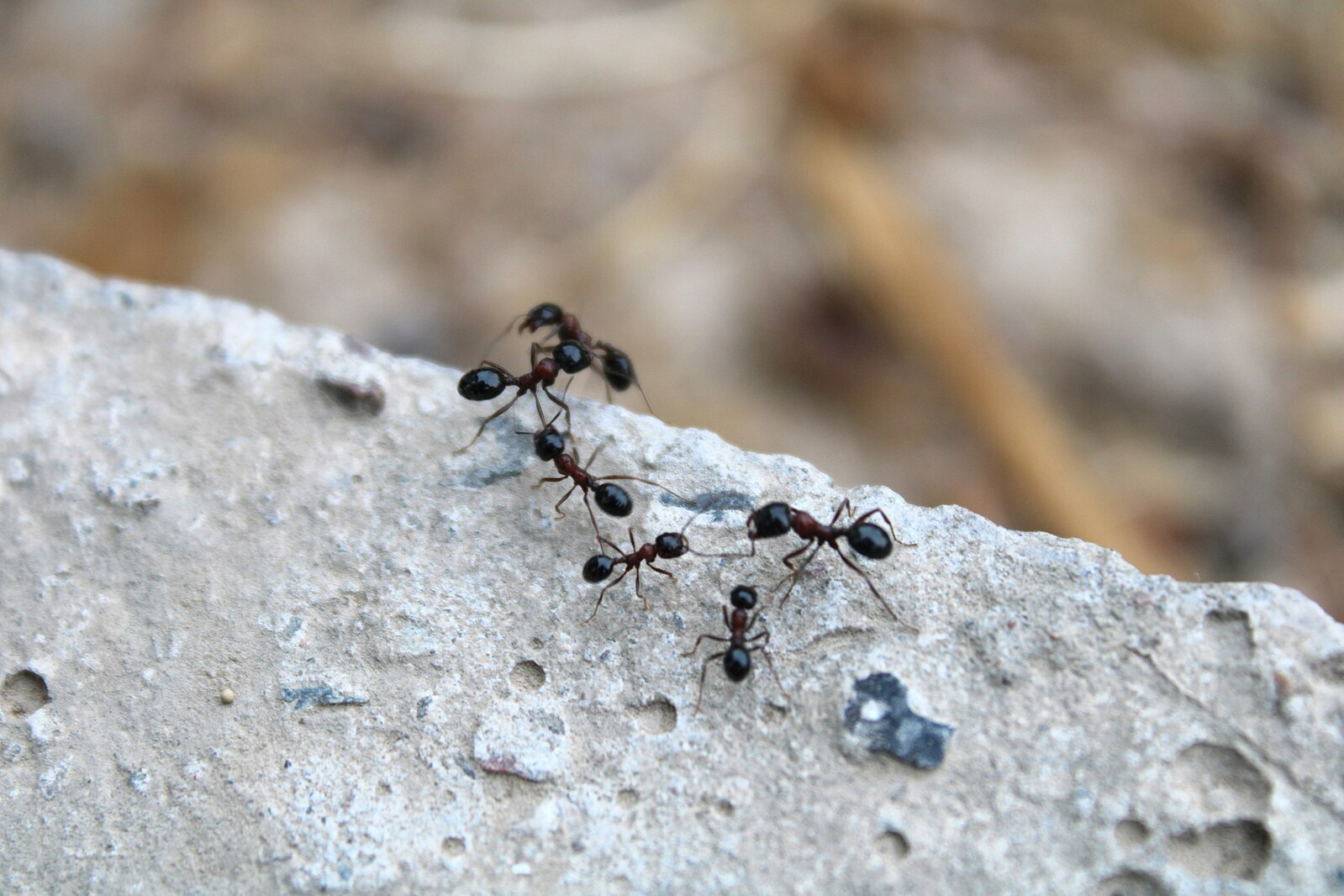
In springtime, when rain saturates the ground outside, ants begin to look for a drier spot to live, namely your home.
2. Spiders
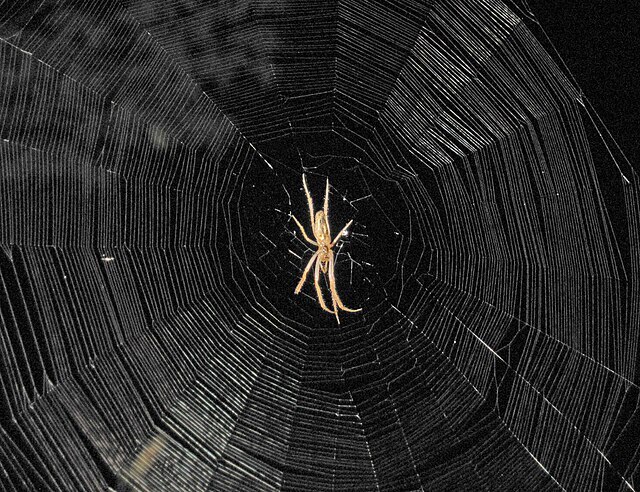
You may notice more spiders during their mating season in late summer and early fall, but you might spot them inside your home as they seek shelter from the cold in late fall and early winter.
3. Fleas
Fleas become active in spring as temperatures increase and remain active throughout the summer and early fall months. If they attach to a host, such as your pet, they can survive indoors for much longer.
4. Ticks
Ticks are also active during the warmer months. They like to seek shelter in wooded areas and taller grasses and can attach themselves to a host—you, your family, or your pet—if you brush past one of their hiding spots.
5. Mosquitoes
Mosquitoes thrive in moist, humid conditions and seek out warmth and water sources to lay their eggs. They may try to enter your home through windows, doors, or even cracks in your window screens.
/customer%20sitting%20outside%20bonfire%20in%20yard.jpg?width=1600&height=902&name=customer%20sitting%20outside%20bonfire%20in%20yard.jpg)

6 Unhealthy Lawn Conditions That Attract Pests
It’s true that certain environments can act as an open invitation for unwanted insect guests.
Let’s explore six lawn conditions that make your yard especially inviting to them.
1. A Thick Thatch Layer
The layer of living and dead organic material that collects between the grass and soil surface, thatch is comprised of stems, roots, leaves, and more.
A thatch layer that’s between ¼ inch to ½ inch is actually beneficial for your yard: It enables your lawn to hold water and helps shade the turf from the sun during those hot summer days in Northeast Ohio.
However, a thatch layer that gets to be thicker than 1 inch will not only prohibit your grass from getting the water and nutrients it needs, leading to an unhealthy yard, but it also creates a hiding place for insects.
Fun Fact: A thatch layer that’s too thick also attracts lawn-dwelling insects such as chinch bugs, billbugs, and grubs, so it’s best to take care of heavy buildup sooner rather than later.
2. Excess Moisture
During droughts in Northeast Ohio, we advise our customers to water their lawn up to 2 inches per week.
However, anything more than that creates an exceedingly damp environment, perfect for insects.
3. Untreated Weeds
Weeds throughout the yard are not only unsightly, decreasing your home’s curb appeal, but they also attract insects that can get inside your home like spiders and ants, as well as other insects that can destroy your lawn such as fall armyworm and cutworms.
What’s more, untreated yards also trap in moisture, which as you now know, creates an ideal environment for insects to thrive.
/weeds%20in%20lawn.jpg?width=1600&height=902&name=weeds%20in%20lawn.jpg)
4. Overgrown Vegetation
Trees, shrubs, and tall grasses also offer optimal hiding places for insects because these areas allow them to move around undetected by predators.
Overgrown vegetation close to your home provides a ripe opportunity for insects to move into your home.
5. Standing Water
Whether it’s a puddle, a bird bath, or a bucket full of water, mosquitoes, in particular, are attracted to standing water because that’s where they lay their eggs.
6. Clutter and Debris
Clumps of leaves, excess lawn debris such as grass clippings, and piles of clutter offer yet another area for insects to seek shelter.
If the clutter is located near your home, it’s not a huge leap for the insects to make your home theirs.
How to Prevent Lawn Pests from Invading Your Home
Luckily, there are a few things you can do with your lawn—some with the help of our lawn care experts—to keep these pests from marching into your home.
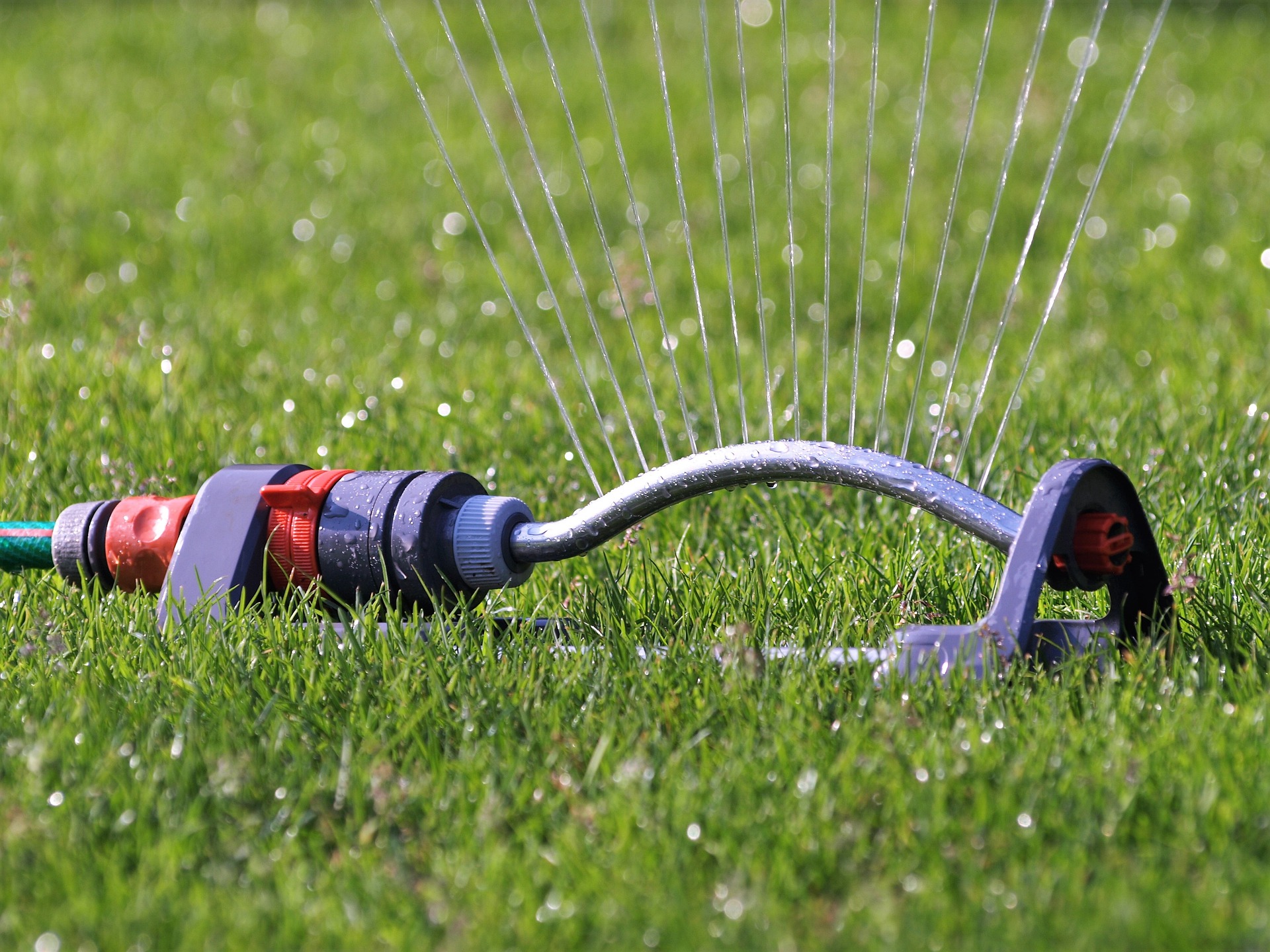
1. Water the Lawn Properly
While overwatering your lawn can create moist environments most suited for pesky insects, underwatering your grass can also weaken the grass, allowing weeds to more easily take over.
Aim for about 2 inches of water per week.
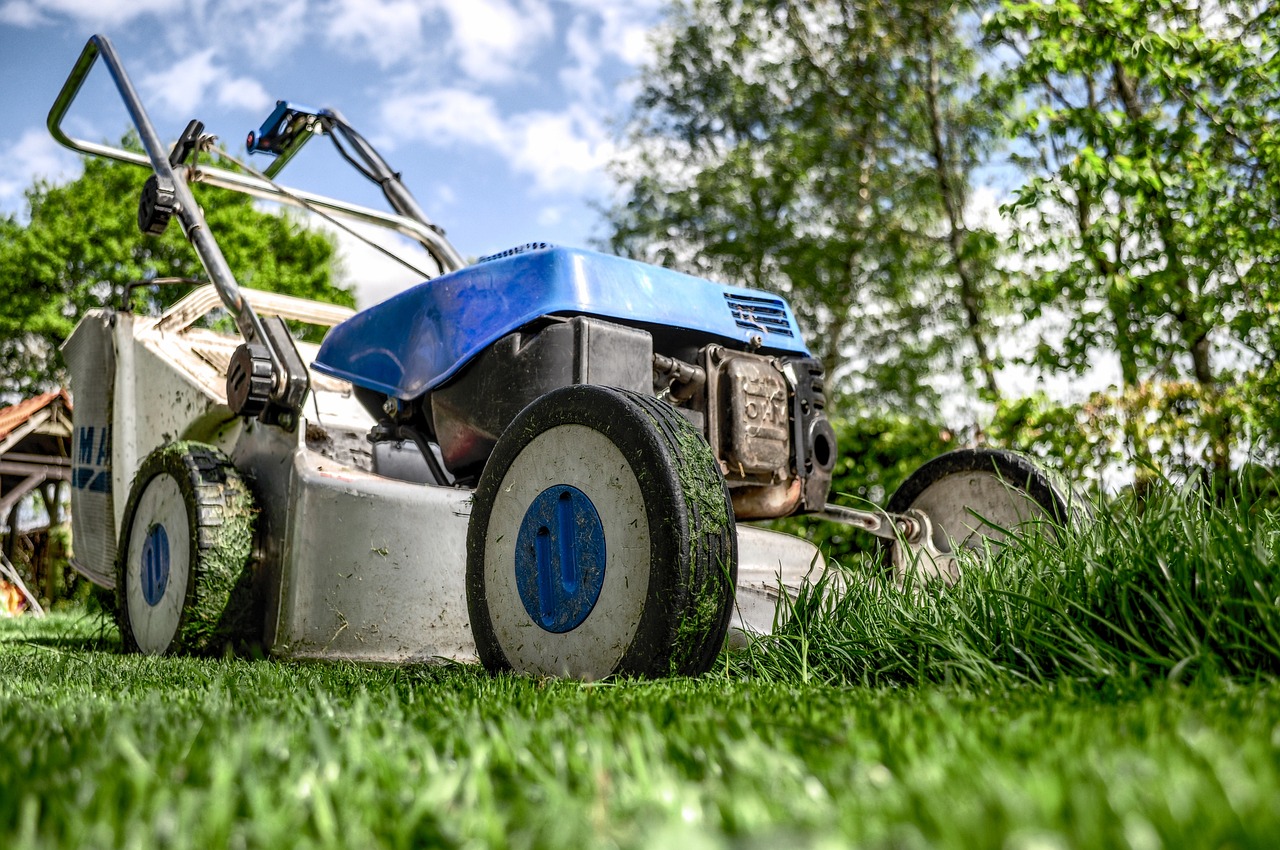
2. Practice Correct Mowing Techniques
Set your mowing deck height to about 3 inches and mow frequently enough that you’re not slicing off large portions of the grass blade when you mow.
Following these practices will help reduce stress to your lawn.
Pro Tip: Mulch your grass clippings as this can add healthy nutrients back to the soil. However, beware that if you cut off too much of the grass blades, you can end up with clumps throughout your lawn, which may contribute to a thick thatch layer. If you see clumps after you mow, be sure to rake them out in order to disperse them throughout your lawn.
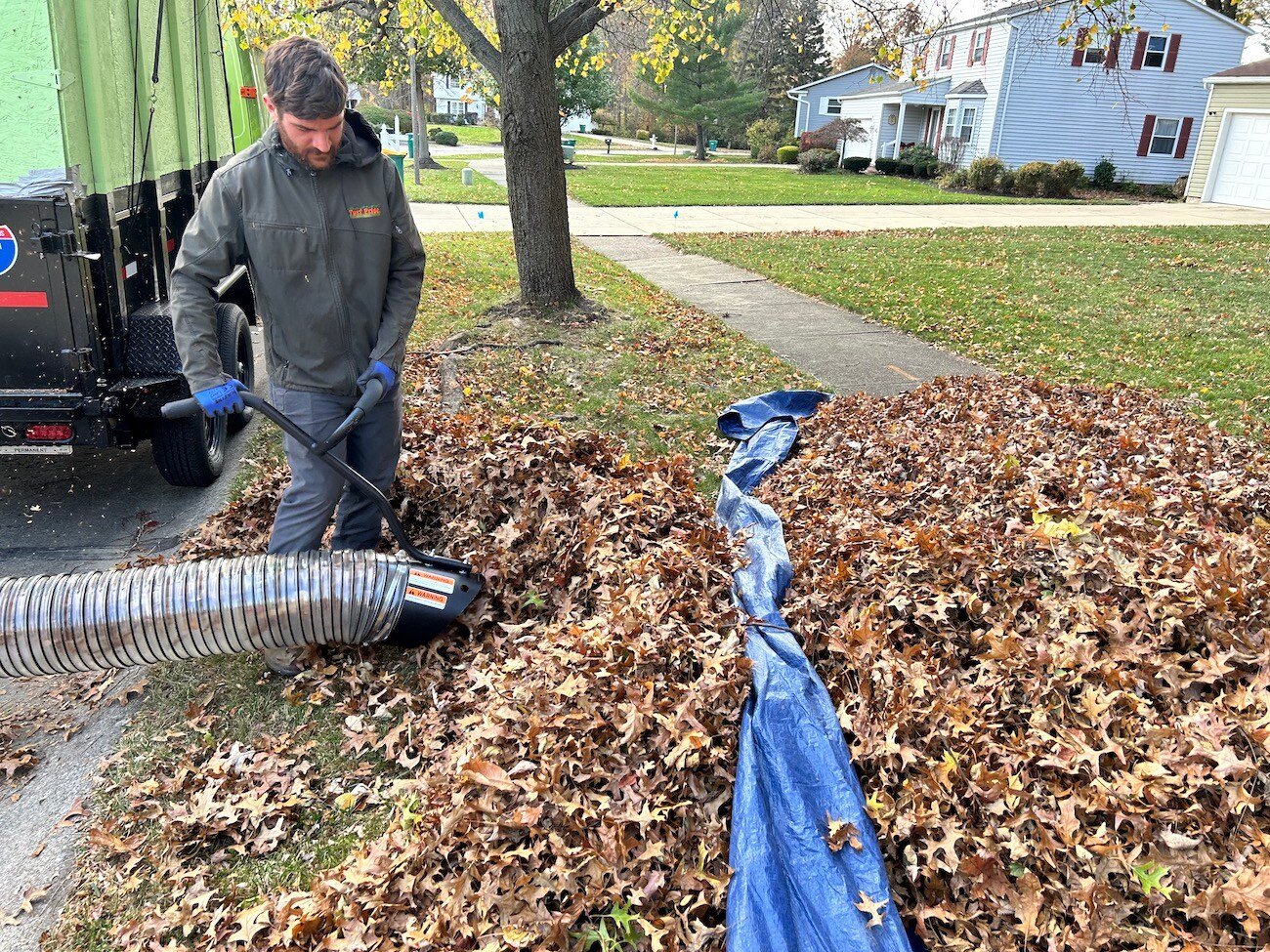
3. Clear Leaves and Debris
Because leaves and other yard debris can offer insects a place to hide, it’s essential that you keep your yard clean, especially during seasons like fall.
4. Implement Weed Control Treatments
Keeping weeds out of your yard with preventive measures such as weed control treatments will help ensure insects pass up your property when looking for a place to call home.
At Turf Pride, our six-visit lawn care program includes herbicide treatments that are not only effective but also completely safe for kids and pets.
5. Break Up the Thatch Layer
Aeration breaks up your lawn’s thatch layer, alleviating compaction and enabling more air, nutrients, and water to reach the grass roots.
If the thatch layer is too thick, a dethatcher may be needed to rake out the thatch. While it is effective at pulling out thatch, it also takes a lot of good, healthy grass with it, so we don’t recommend this method unless you have a serious thatch problem on your hands—all the more reason to address an unruly thatch layer early on before it’s too late.
6. Remove Standing Water
Dump over buckets of standing water, address drainage issues within your yard, and add surface agitators to items like bird baths to prevent mosquitoes from breeding in these areas of standing water.
Pro Tip: Because aeration helps alleviate compaction, it can also help address areas of standing water in your yard.
7. Prune Regularly
Make it a habit to regularly trim back your trees and shrubs to reduce potential hiding spots for insects. As a bonus, regular pruning can also lead to healthier plants overall.
If you need help, our technicians at Turf Pride can do this for you throughout our plant health program.
8. Eliminate Potential Habitats
Clear your yard of clutter and litter. Think tires, abandoned buckets and tools, and even pieces of chopped wood.
9. Sign up for Insect Control Treatments
Fleas and ticks are among the insects that carry harmful diseases, so it’s best to implement preventive measures to deal with these pests.
Our flea and tick program includes an insecticide that covers the entire lawn. When these insects come into contact with it, they die immediately.
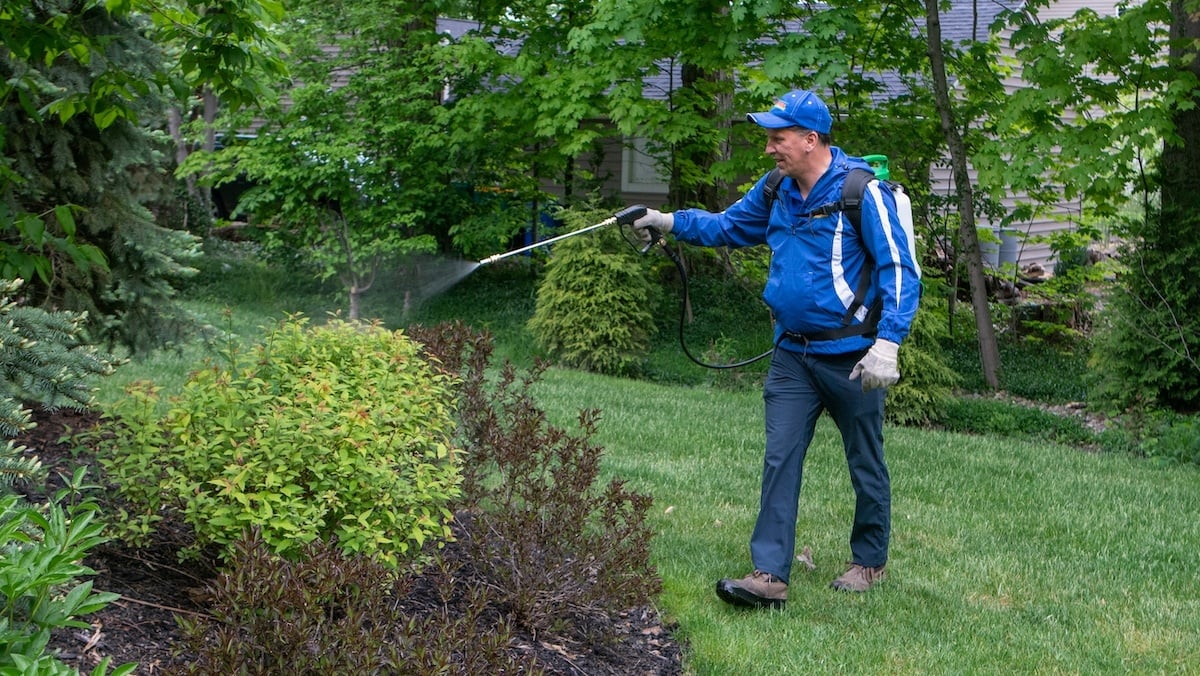
On the other hand, our mosquito control program involves technicians using a backpack blower to spray the product into landscape beds, up to 10 feet in trees, in plant material that borders the house, and around your property line.
/kids%20playing%20in%20lawn%20with%20green%20grass%202.jpg?width=872&height=491&name=kids%20playing%20in%20lawn%20with%20green%20grass%202.jpg)
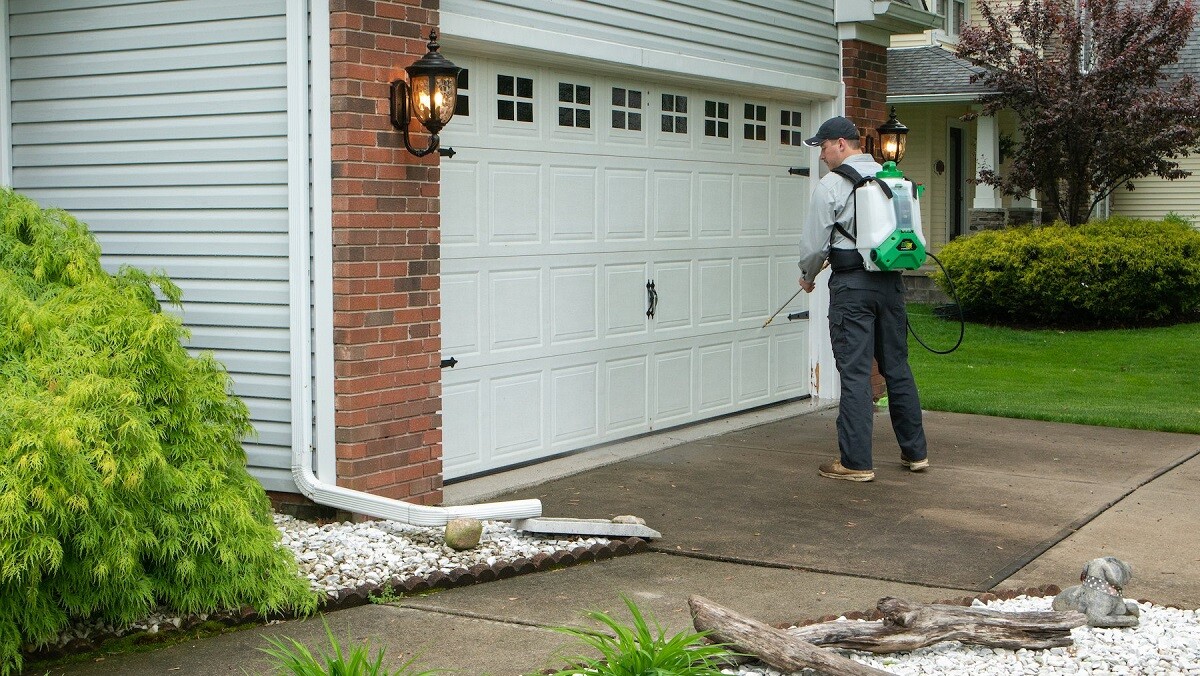
10. Consider Perimeter Pest Control Treatments
As yet another line of defense, you may want to consider investing in a perimeter pest control treatment, which works as a barrier to seal your home and keep unwanted guests of the insect variety out.
The barrier lasts for about 30 to 40 days, and when insects come into contact with it, they die immediately.
Our technicians spray along your home’s foundation, windows, and doors using a product that’s not only effective but also completely safe for your family and pets.
Lawn Care and Pest Control to Prevent Lawn Pests Indoors
If you're bugged out by the thought of pests creeping into your home from your lawn, you don’t have to be. At Turf Pride, we’re here to put your mind at ease.
With more than 40 years of experience in lawn care and pest control in Mentor and surrounding areas, we know exactly which pests to look out for and can help you enact measures to keep them from settling in your lawn—and beyond.
/technician%20spraying%20perimeter%20pest%20control.jpg?width=1600&height=902&name=technician%20spraying%20perimeter%20pest%20control.jpg)
Squash concerns about insects invading your home and call today or request a free quote.