
Which Lawn Pests Are Dangerous for Pets and Kids in Northeast OH
Do worries of harmful lawn insects in your lawn keep creeping into your mind? Are you looking for ways to keep your family and pets safe while still being able to enjoy your outdoor space? Are you sick of dealing with damage caused by these pests?
You’re not alone.
However, whether they're biting insects, disease-carrying pests, or bugs that damage your lawn, there’s no need to let these unwelcome pests threaten your family and pets and ruin your backyard oasis.
In this guide, we’ll explore how to identify harmful lawn pests in Ohio, how to effectively reduce pest activity, and why seeking out Northeast Ohio lawn pest control may be your best defense against these invaders.
Table of Contents:
Why Lawn Pests Are More Than Just a Nuisance for Families
With your kids and pets playing outside all season long, outdoor pests can expose them to things like bites, germ and disease transmission, and in some cases, even allergic reactions.
However, because weather conditions and temperatures in Northeast Ohio cause pest populations to vary, it can be tricky to predict exactly which pest will become a threat and when.
For example, cooler, wet springs produce larger mosquito populations in a short period of time due to the amount of water available for them to lay eggs, whereas ticks thrive in humid conditions.
So, during wet and humid summers and autumns, pests can persist longer than anticipated. In general, most pest outdoor activity is done by late fall and winter.
/customer%20sitting%20outside%20bonfire%20in%20yard.jpg?width=1600&height=902&name=customer%20sitting%20outside%20bonfire%20in%20yard.jpg)
The Most Dangerous Lawn Pests for Pets and Kids in Northeast Ohio
Now that you know why pests can be dangerous, let’s take a look at what types of insects you should look out for.
1. Mosquitoes – More Than Just Annoying Bites
While it’s easy to think that mosquitoes just cause annoying, itchy bites, they are one of the most dangerous insects in the world because they can spread diseases and viruses like West Nile virus and malaria at a very rapid pace over a large area in a short period of time.
Because mosquitoes need water to breed, wet conditions brought on by summer rainstorms provide their ideal habitat.
2. Ticks – The Biggest Health Threat in Your Yard
Ticks can also pose a safety threat to you, your family, and your pets.
Ticks come into lawns by deer, rodents, birds, and pets, especially if they are in close vicinity of wooded habitats. These pests concentrate in wood lines, high grass, leaf litter, mulch, and overgrown plants and groundcover.
When they latch onto their host to feed on their blood, they can spread diseases like Lyme disease, Anaplasmosis, Rocky Mountain spotted fever, and Ehrlichosis.
Pets are highly vulnerable to ticks, especially dogs exposed to woody or tall grass areas, but they can become a larger concern for humans if they latch onto your pets and transfer indoors. For humans, the Lone star tick and blacklegged ticks are becoming more of a concern.
Where wildlife hosts are abundant, the tick populations will be bigger. Plus, high humidity, unmanaged woodland areas, and areas with lingering leaves allow ticks to thrive.
3. Fleas – Small Pests, Big Problems for Pets and Families
Tiny insects, fleas are usually introduced by pets and wildlife such as opossums, raccoons, squirrels, or rodents.
They can cause skin irritations, allergic dermatitis, and tapeworms as well as anemia in puppies and kittens.
Because they can reproduce rapidly, fleas can spread quickly in lawns.
Fleas thrive in shade, dense groundcover, mulch, under decks and porches, and in damp leaf matter or other organic material. Prime time is late spring and continues in warm summer weather.
4. Grubs – The Hidden Lawn Destroyers That Attract Other Pests
While grubs themselves do not pose a huge risk to humans, they do tend to attract other unwelcome animals like raccoons and skunks, who may dig through your yard for the buffet of grubs.
This damage can lead to uneven ground, providing an unsafe play area for your family.
Grubs prefer mild, humid temperatures and moist soil like that found in Northeast Ohio yards.
/Live%20Website%20Images/close-up-grubs.jpg?width=1280&height=960&name=close-up-grubs.jpg)
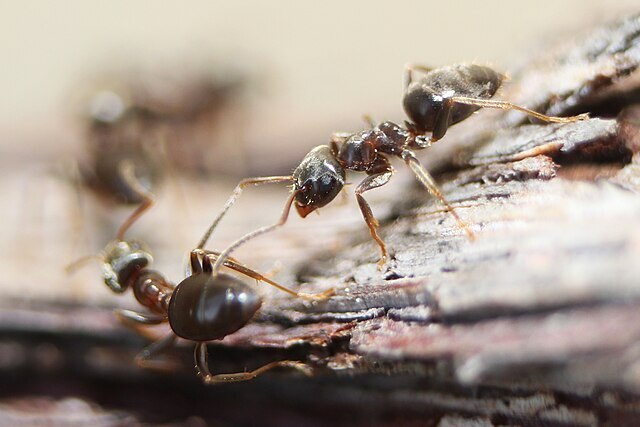
5. Ants & Stinging Insects – Unexpected Yard Hazards
No one wants a summer picnic ruined by a bite, sting, or allergic reaction from ants or other insects.
Unfortunately, grassy areas with lots of foliage and/or clutter tend to provide perfect nesting areas for these types of insects.
Northeast Ohio’s moderate and moist climate provides these pests with their most basic needs.
How to Identify Signs of Harmful Lawn Pests Early
Some pests are easily overlooked, and their presence on a person or pet can be missed until symptoms start to appear.
Be sure to check in on the environment throughout your property and make sure plants are not overgrown and there aren't any areas of standing water.
Also, stay alert to other signs that can indicate you have a harmful pest problem so you can take care of it early on.
These signs include:
- Irritating and itchy skin
- Mysterious bites
- A patchy lawn or turf that pulls up easily
- Increased wild animal activity in your lawn
- Pets that scratch or behave in an agitated manner
- Visible sightings
Why DIY Lawn Pest Control Often Falls Short
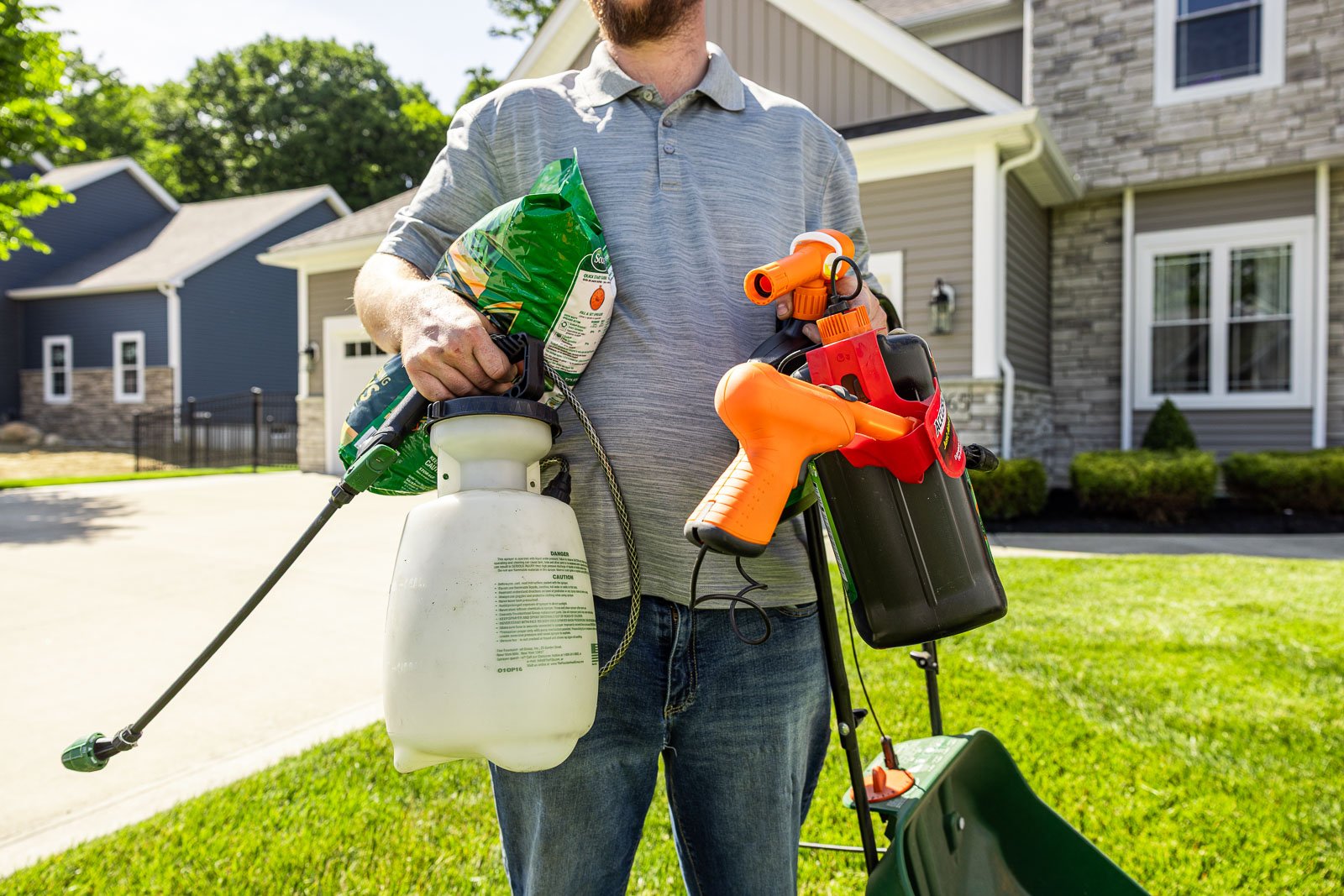
While tackling lawn pests on your own may seem like a cost-effective solution, DIY solutions often fail to fully eliminate the problem.
This is because effective pest control requires much more than simply applying a product. It starts with accurately identifying the pest. Because different pests require different treatment approaches, misidentification can lead to wasted time, money, and even damage to your yard.
Timing is also key for targeted lifecycle control. Missing the window can reduce the effectiveness of your efforts.
Also, many DIY pest control options only offer short-term surface-level control, treating the “symptoms” but not the overall problem. In other words, while they may reduce visible pest activity for a short period of time, they often fail to address the root cause of the infestation or disrupt the pest’s full lifecycle.
How Professional Lawn and Pest Control Protects Your Family
On the other hand, professional pest control treatments like those offered by Turf Pride are not only safe for your family and pets but also effective at providing relief.
This is because we have a good understanding of Northeast Ohio’s conditions and target the areas that are most likely going to harbor these pests.
For instance, we know where mosquitoes are going to lay eggs and rest, so we spray plant material and use larva control bits in any standing water. Similarly, we treat the grass areas for fleas and ticks knowing that the adults of these pests are lurking there waiting for a host to pass on by.
We have done research to find the right products that will yield the best results, and our specialists use the best equipment to apply the products efficiently and train for the specialized licenses to apply these products commercially.
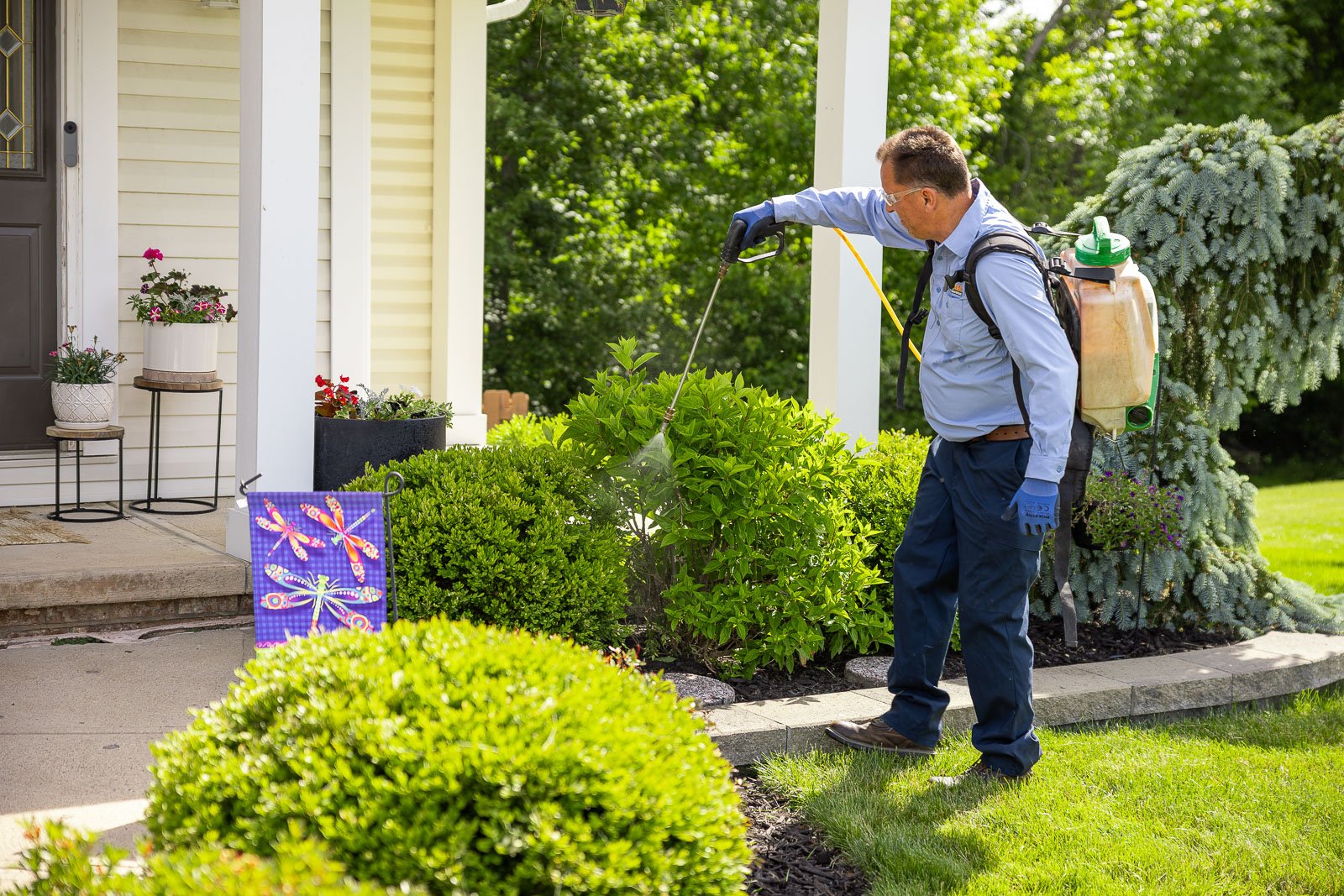
The pest treatments our specialists can provide include:
- Flea and tick treatments, which help control fleas and ticks
- Mosquito control, which helps mitigate mosquitoes
- Perimeter pest control, which seals your home against crawling insects
Pest Control FAQs
What preventive steps can homeowners take between treatments to reduce pest risks?
The main thing you can do is make sure your property is not suitable for harboring these pests. Prune any overgrown landscape plants, maintain the lawn, reduce the amount of water that collects from drainage to standing water, use targeted treatments in an integrated pest management program, and adhere to practices that will reduce the chance of pets to encounter these harmful pests.
Are Turf Pride’s pest control products safe?
We use an insect control for fleas, ticks, and crawling pests that is diluted and mixed at a very light rate, while still being very effective against these pests. The only exception about organisms that the product is toxic against is fish. So, we do not spray anywhere that ponds, streams, or other water features with fish are present. In mosquito applications, we use a product made up of natural oils from plants and herbs that is nontoxic to pets and people.
Are there any additional steps Turf Pride takes prior to a treatment to ensure safety?
There are several steps Turf Pride will take to ensure the safety of our employees and the customers, including their pets. We can text or call the day before we are scheduled to make sure persons and pets will be indoors when we arrive. We also inform all of our customers and anyone else that should be at a property to remain out of any treated area for a minimum of two hours so that the liquid applications will have time to dry. Once they are dry, people and pets can go onto treated areas without issue.
How long does it take for Turf Pride’s treatments to work?
We will typically allow up to two weeks to see the results from the applications. This should give an ample amount of time for the products to contact the targeted pests and should provide a visible reduction in activity. If problems persist, we will offer to schedule a free service call to reapply the application if necessary.
Create a Safer Outdoor Space for Your Kids and Pets in Northeast Ohio
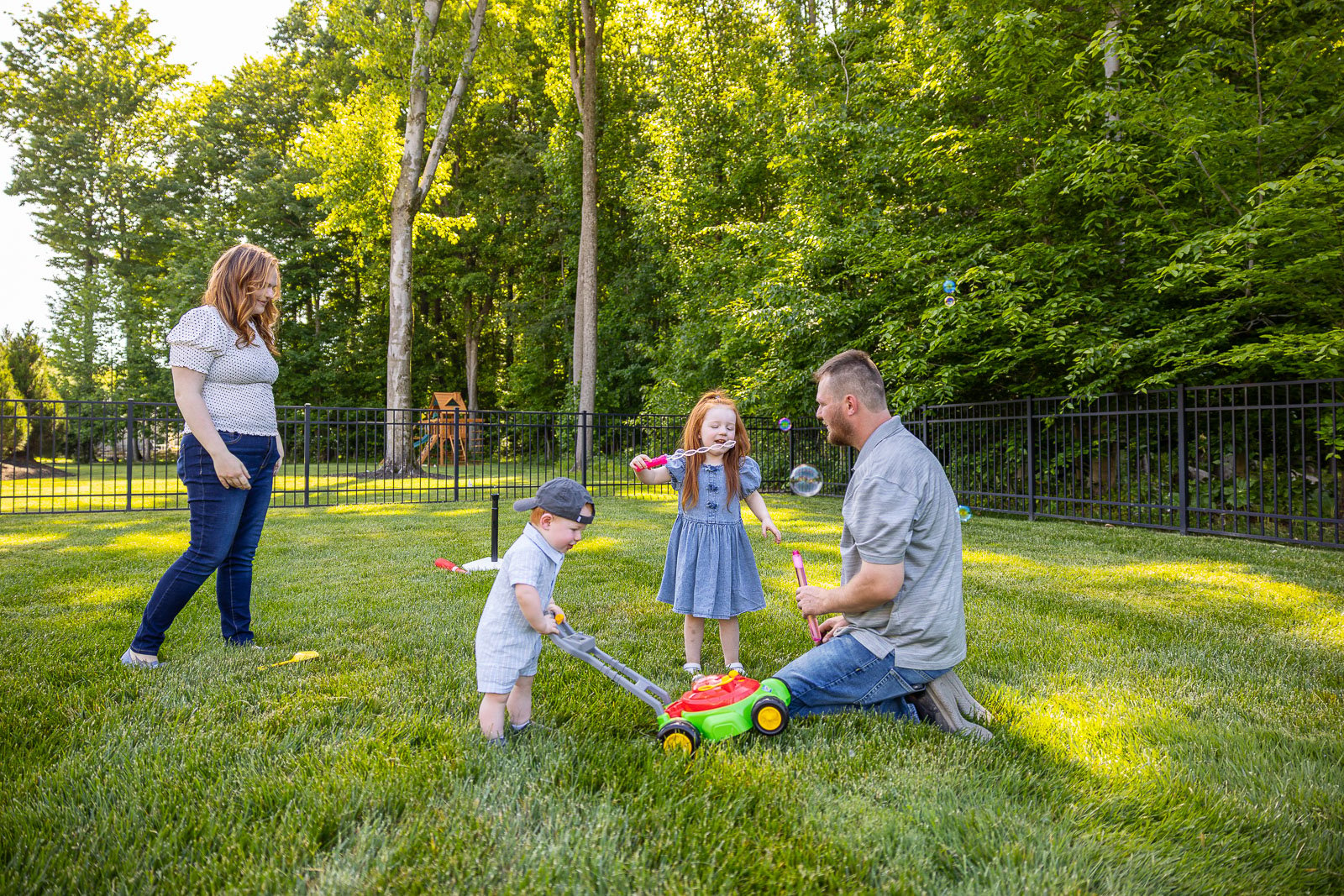
Protect what matters most within your Northeast Ohio property–and gain peace of mind in the process–by enlisting the help of Turf Pride.
Request a lawn evaluation or get started with a pest control program today.