
How Rainy Weather Can Lead to a Pest Boom and What to Do About It
Have you ever stepped outside after a heavy rainstorm and noticed your yard is buzzing with more bugs than usual? Have you ever wondered why there are more mosquitoes after rain? Are you concerned that your yard has become a haven for harmful insects?
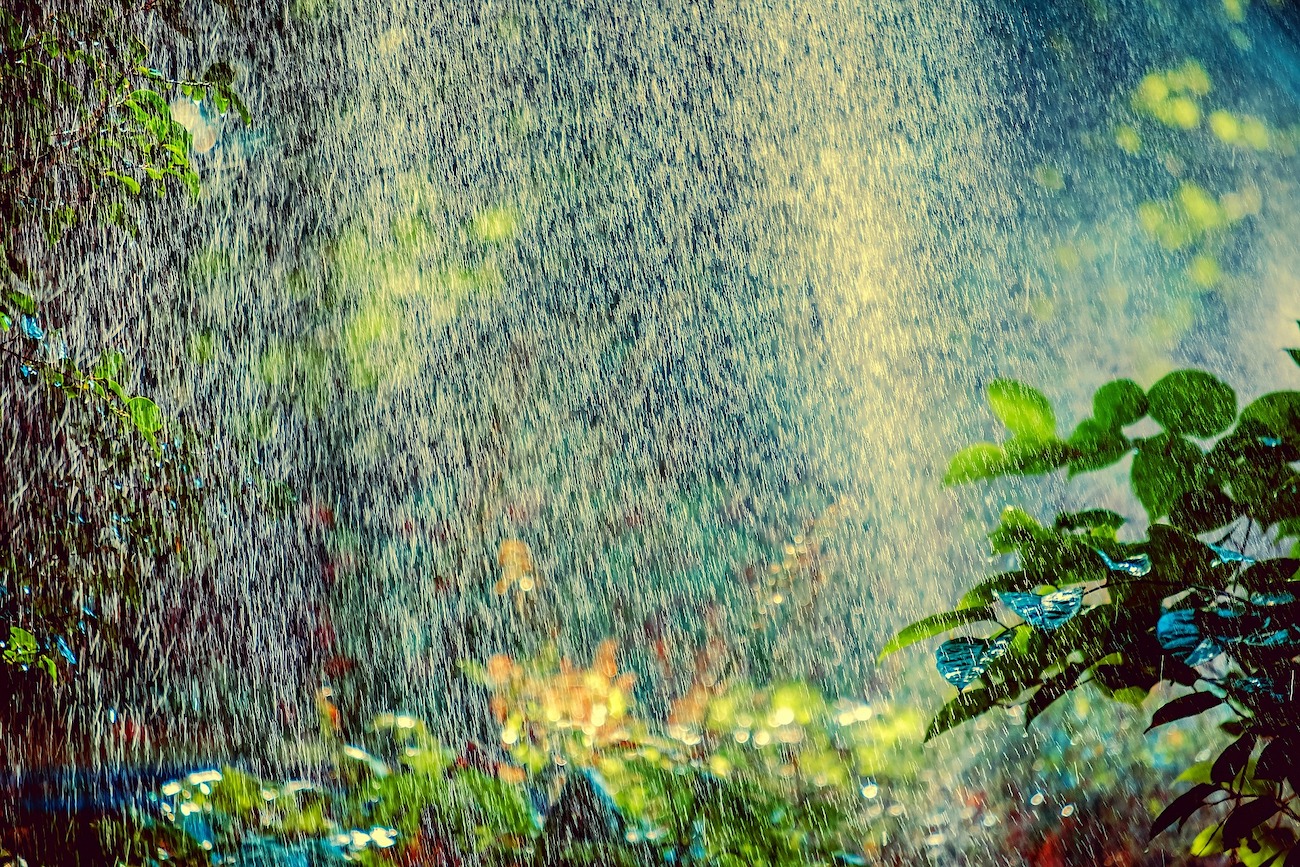
In Northeast Ohio, where spring and summer rain showers are the norm, this increase in bug populations isn’t just your imagination playing tricks on you.
Rain can increase mosquito and other pest populations in your yard.
Here’s a look at why rainy weather can lead to a pest boom, common yard pests that can explode after rain, how to reduce yard pests after heavy rain, and pest control options you can deploy to keep these bugs at bay.
Why Rainy Weather Often Leads to a Pest Boom
Warm weather with heavy downpours is the No. 1 setup for populations of pests to spike. And, water that doesn't drain from your yard within one to two days can also lead to a population boom.
There are a few reasons for this phenomenon.
Standing Water Creates Ideal Breeding Grounds
Certain insects require standing water to reproduce.
Mosquitoes, for example, lay eggs in stagnant water, which can accumulate quickly after storms. From there, it doesn't take long for the eggs to hatch, sometimes within 24 to 48 hours. The larvae may take up to an additional week to become adults.
Other mosquito species lay eggs in dry areas, and when rain hits, they become "activated," which can also lead to a boost in populations.
Moisture Helps Many Insects Thrive
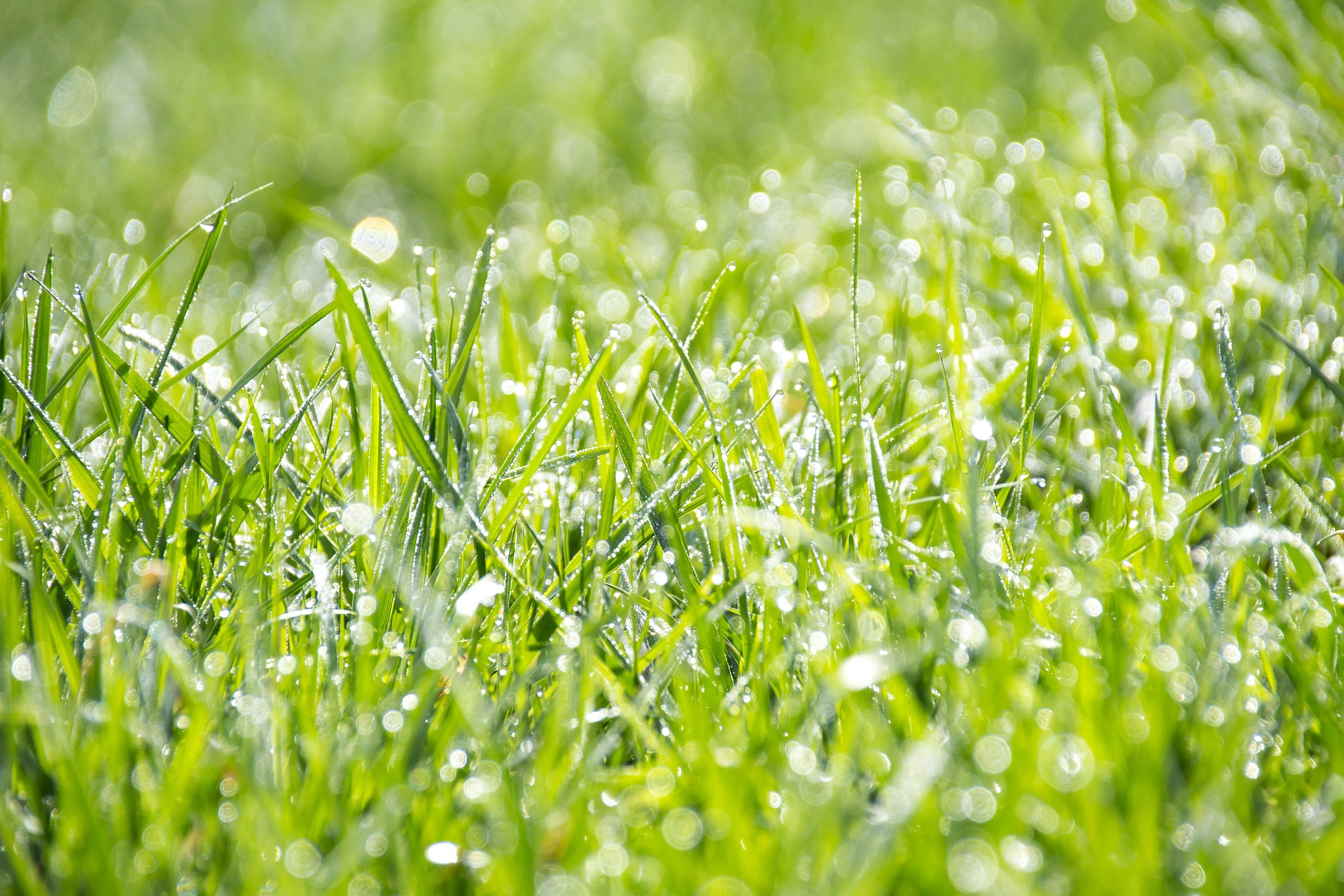
In addition to creating the perfect breeding grounds, rain also increases humidity, which allows insects to live longer, become more active, and keep their eggs from drying out.
This is where Northeast Ohio’s spring and summer conditions create the perfect storm for thriving insect populations.
Rain Increases Insect Hiding Spots
Rain is essential to keep the vegetation in your yard alive, so after a heavy rainstorm, you may notice that these plants also experience a surge in growth.
While this may seem like a good thing, be mindful that plants and shrubs can provide the perfect cover for insects to hide.
Why Rainy Weather Can Push Pests Toward Your Home
It’s not just an increase of bugs in your yard that you have to worry about. Rainy weather can also push pests toward your home.
As saturated soil floods insect nests, they search for drier ground, often seeking shelter within your home.
What’s more, as the rain causes the vegetation near your home to surge, these plants provide more shelter and an easy route for insects to sneak into your home.
/Live%20Website%20Images/family-and-dog-firepit.jpg?width=1600&height=902&name=family-and-dog-firepit.jpg)
The Most Common Yard Pests That Explode After Rain
Now that you know why rainy weather can lead to a pest boom in your yard, let’s take a look at the most common types of pests that can explode in population after rain.
Mosquitoes
Mosquitoes require some body of water to breed. When rainwater collects in gutters, outdoor containers, low spots in your lawn, or other areas where water doesn't drain, there are far more areas for female mosquitoes to lay eggs.
Keep in mind that mosquitoes can lay eggs in only a bottle cap full of water.
Fleas and Ticks
Fleas and ticks thrive in humid environments, making your wet yard after a rainstorm the perfect breeding ground for these insects to thrive.
Ants
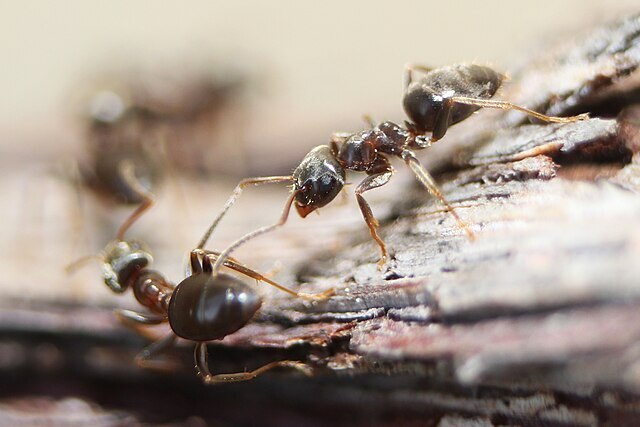
Ants become more visible as their nests get flooded by rainwater and they seek drier ground. You may be able to see their trails leading to a new nest. Sometimes ant colonies even split up after being separated by rain.
Cockroaches and Termites
Cockroach and termite activity increases after rain floods them out of leaf litter, mulch, or sewers, and they retreat to drier areas.
What’s more, rain provides water for termites to build mud tubes and expand their colonies.
Earwigs and Centipedes
Earwigs and centipedes thrive in damp areas. Think basements and ground level rooms that can become damp after a rainstorm.
Flies
Fly populations can also increase as these insects use wet organic matter for breeding sites.
Spiders
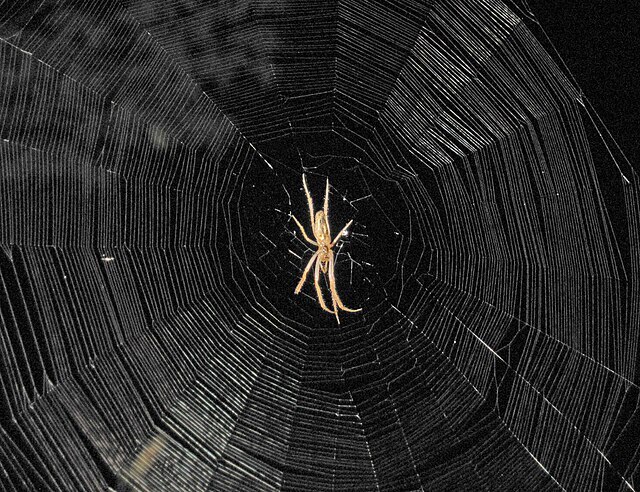
Not only do spiders prefer damp, humid areas, but they also tend to follow food sources such as flies, mosquitoes, and other insects.
How to Reduce Pest Problems After Rain
With so many pests crawling around your yard, it may feel overwhelming to try to control them.
Luckily, there are a few things you can do on your own to help decrease their population.
Eliminate Standing Water Around the Yard
Take an inventory of your yard to see where rainwater may collect.
Dump over buckets of water, clean out clogged gutters, and address drainage issues within your yard.
For aesthetic items like bird baths, you may want to look into putting in a device that agitates the water every so often to discourage insects from laying eggs.
Maintain Landscaping and Lawn Health
Keep in mind that dense vegetation and overgrowth in your yard can hold moisture where pests thrive. Even a thick thatch layer in your yard can provide a warm, moist habitat for these pests.
Make sure you’re keeping your yard maintained and cutting your grass regularly to limit these ideal habitats.
If you notice that you have a thick thatch layer in your lawn, aeration can help break that up, while also helping to increase air, water, and nutrient flow within the soil.
Reduce Areas Where Pests Hide
Mulch beds, leaf litter, and dense shrubs can provide pest shelter.
Get rid of leaf litter and trim plants and shrubs near the foundation of your house to cut off the potential “bridge” from the exterior to interior of your home.
When Professional Pest Control Makes the Biggest Difference
If you want an extra sense of security beyond the measures you can take yourself, professional pest control is an option. After all, it doesn’t take long for insects to increase in population after a storm.
Here are a few ways professional pest control can make all the difference.
/technician%20spraying%20perimeter%20pest%20control.jpg?width=1600&height=902&name=technician%20spraying%20perimeter%20pest%20control.jpg)
Mosquito Control
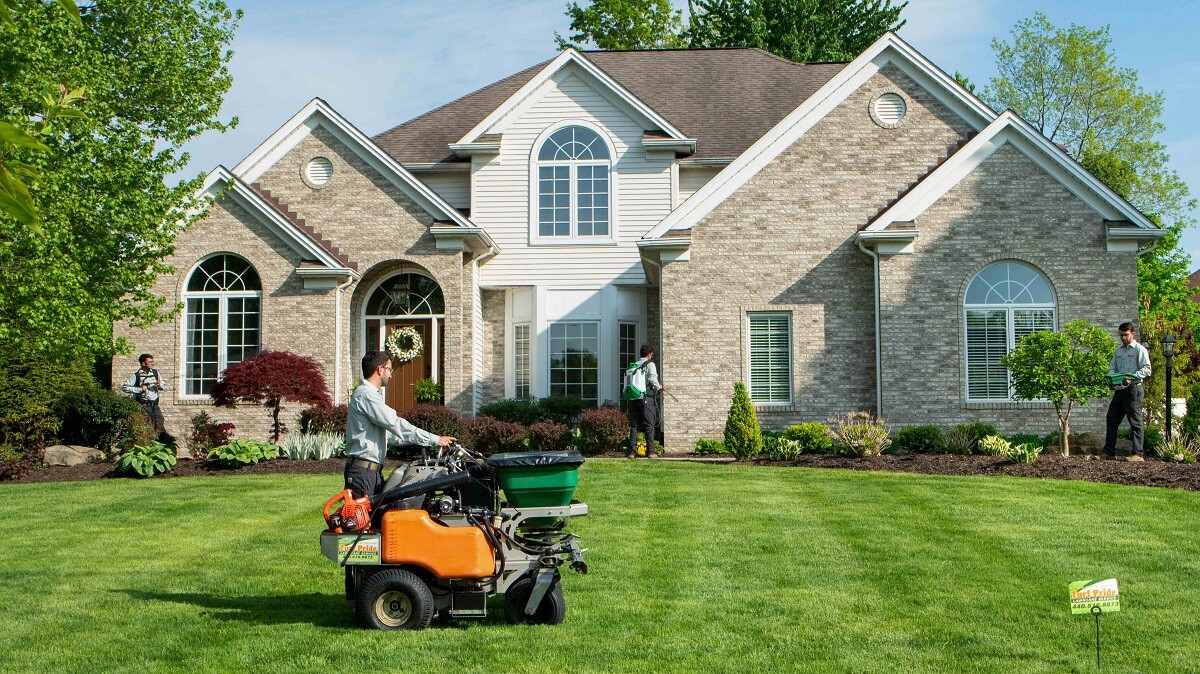
Mosquitoes and other tree/shrub pests are treated by applying products to the landscape plant material, mulched areas, and even water features.
Flea & Tick Control
Flea/tick applications are applied over all lawn areas to knock out these insects and keep your family and pets safe.
Perimeter Pest Control
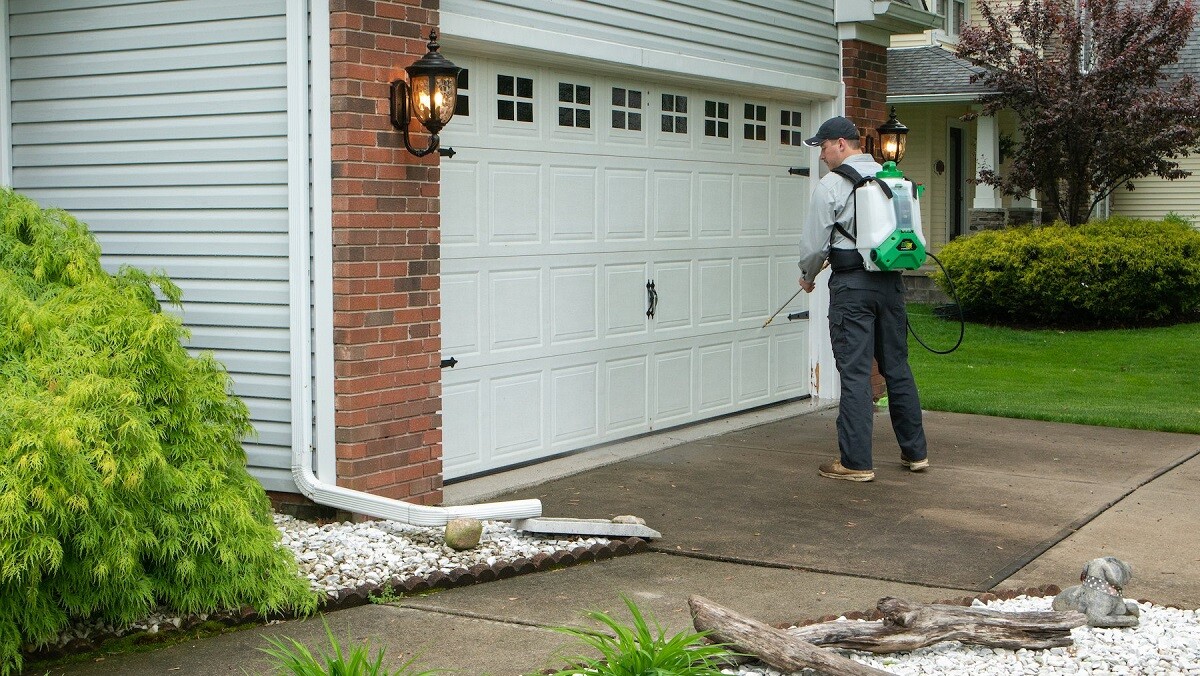
Perimeter pest control treatments provide a barrier around houses, garages, or other structures to keep pests out of your home.
FAQs About Rainy Weather Pests
How soon after rainfall can pests appear?
Within one to two days, you can see ants relocating their nests and earwigs and centipedes becoming more active inside homes.
Within one full week, biting adult mosquitoes can become active, flies and gnats boom in wet organic matter, and ant colonies split.
In one to three weeks, full populations of mosquitoes, termites, gnats, and soil pests build up, and at that point, untreated problems can compound.
How often should homeowners treat their yard for pests during peak mosquito season?
At Turf Pride, we use a mix of oils and insecticide to achieve the best results for our customers and separate our mosquito applications by four weeks to make sure there is proper overlap of treatments and no window of inactivity for pest populations to spike.
How often should perimeter pest control be applied?
Perimeter pest control treatments are applied five times through the season, about every 30 days.
What are some early warning signs that pest populations are about to surge after rain?
An increase in gnats and small flies is an indicator that organic matter is breaking down and will lead to big spikes of activity soon after. Plant material that is overgrown and dense can keep areas damp longer, which will help keep pests active longer.
If two or more of these indicators are visible, then expect pest populations to boom.
Protect Your Yard From Post-Rain Pest Surges in Northeast Ohio
Turf Pride’s exterior pest control programs help keep mosquitoes, fleas, ticks, ants, and spiders away from your Mentor, Ohio, home and yard, so you can get back to enjoying your outdoor spaces all season long.
Schedule a perimeter pest control application or mosquito, flea, and tick treatment today.