

Preparing Trees and Shrubs for Lake Effect Snow and Winter Conditions: Tips for Mentor Residents
Winter in Northeast Ohio can be a bear, but that doesn’t mean that your trees and shrubs should have to bear the brunt of the harsh conditions without some help.
Besides, with all the time, money, and effort you’ve spent to keep your landscape looking nice, protecting your trees and shrubs in winter should feel like a no-brainer.
So, what can you do about it?
In this guide, we will dig into the common winter damage risks for your trees and shrubs, lake effect snow tree care, and how to prepare your tree and shrubs for snow and other winter conditions, so you can provide the best possible winter care for your trees and shrubs.
Winter Care for Trees and Shrubs
You may be wondering why winter care for trees and shrubs is so important. Winters in Mentor and surrounding areas can be particularly brutal.
Let’s take a look at some of the factors influencing your plants in the wintertime.
Northeast Ohio Winter Conditions Affecting Trees and Shrubs
Lake Effect Snow
If you’re from the area, you likely know that Mentor and the surrounding cities are infamous for the lake effect snow that gets dumped on the region every winter. We can thank the city’s proximity to Lake Erie for that.
This effect happens because when cold air moves over the warmer water of the lake, it picks up moisture, bringing in narrow bands of heavy accumulations.
Potential Damage: Snow and Ice Weight on Branches
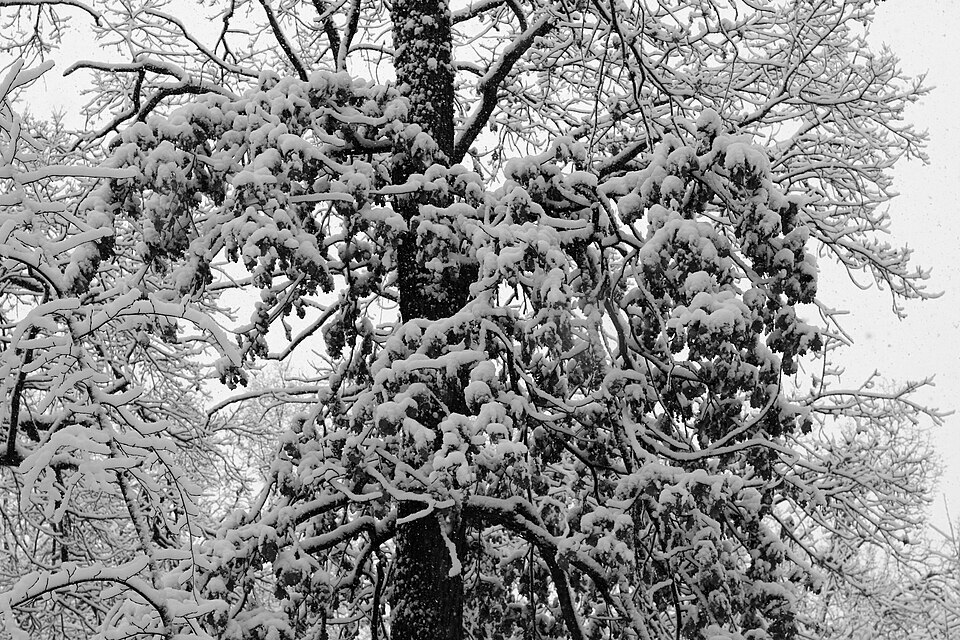
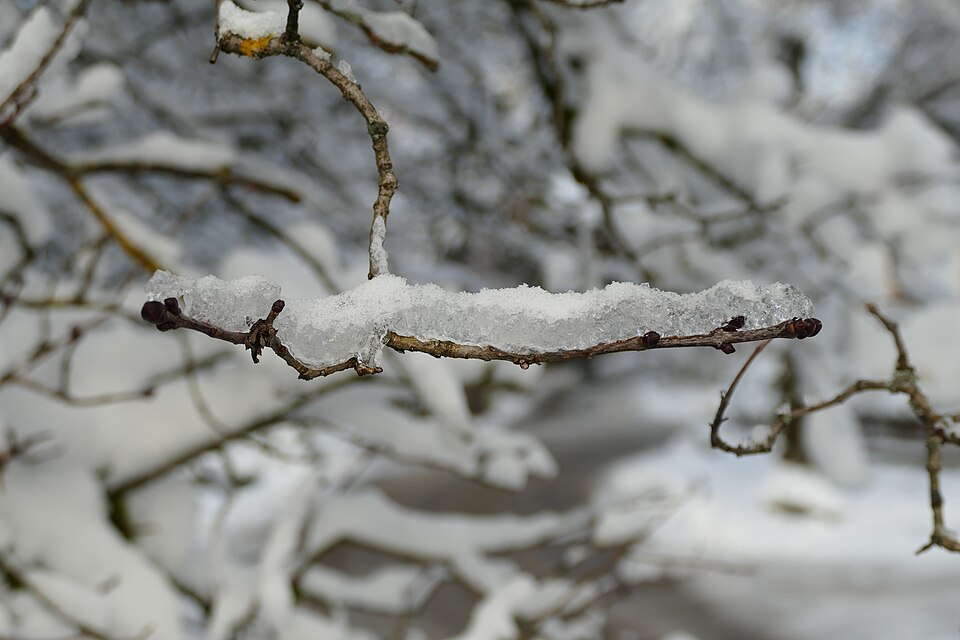
Lake effect snow falls quickly, and heavy, wet snow accumulating on plants can weigh the branches down, causing them to bend or snap. This is especially true for plants that have flimsy branches like arborvitae.
The Perfect Winter Storm: Freezing Temperatures, Low Moisture, Road Salt, and Harsh Winds
Cold temperatures common in the area add to the situation by freezing the soil. This, in turn, makes it extremely difficult for the plants to take in the water they need to survive through their roots.
Winter air also tends to be drier and less humid, meaning that it’s easier for your plants to lose what little moisture they have left.
Road salt can damage your trees and shrubs in two ways: through air-borne sprays that land on the plant and through soil absorption from salt that leaches into the ground. In both cases, road salt can have a dehydrating effect on plants.
Finally, not only do high winds have the potential to bring down branches and limbs that are already compromised, but they can also cause your trees and shrubs to dry out further.
Potential Damage: Winter Desiccation
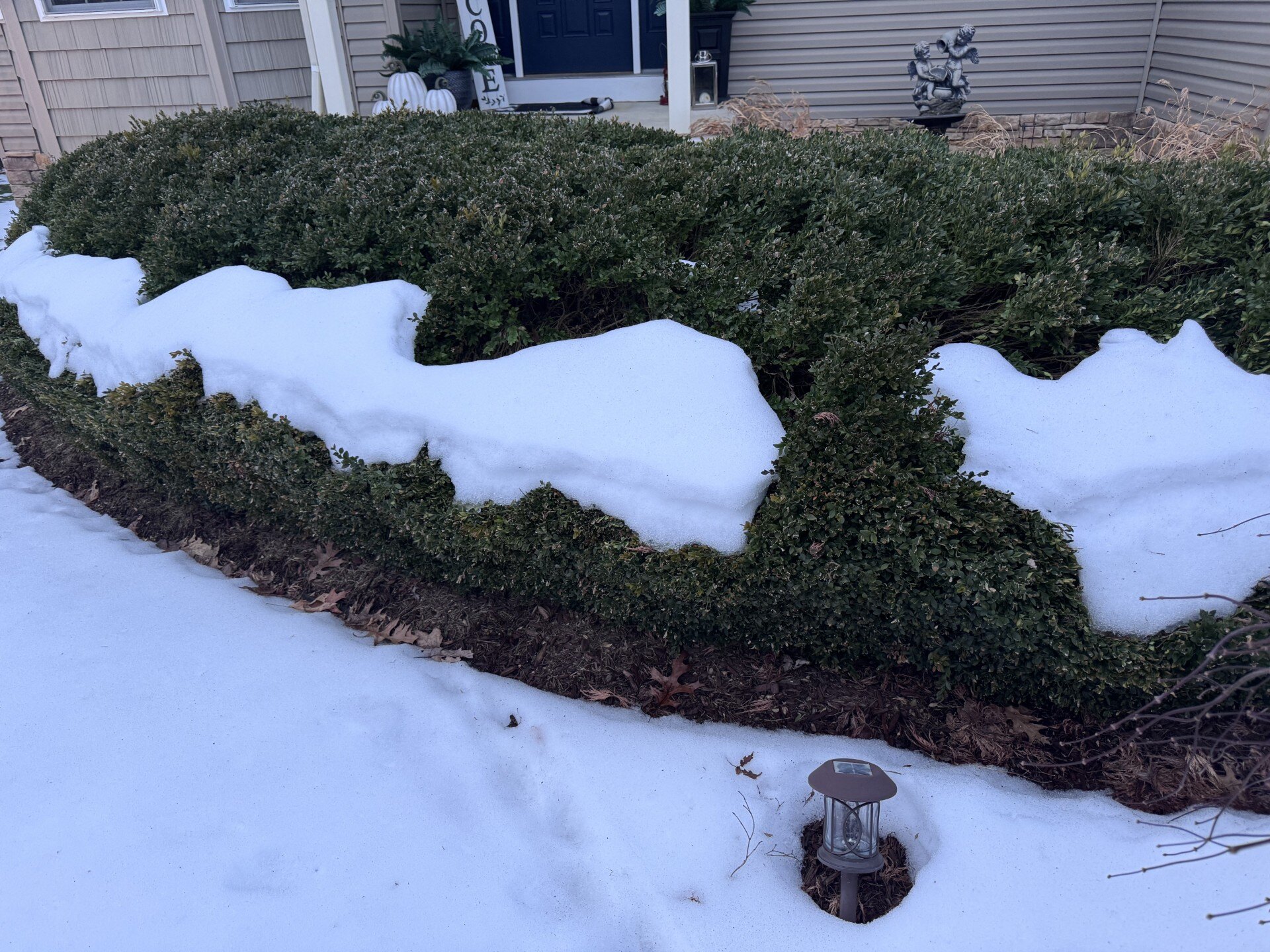
There are multiple factors that can cause your plants to suffer from winter desiccation, another word for drying out. Salt, sun, freezing temperatures, and low humidity can all contribute to this process.
Potential Damage: Bark Splitting
Frost cracks, also known as bark splitting, can happen most commonly on the south-facing side of trees. This happens when the sun’s warmth causes sap to flow, and then a cold swing causes it to freeze and subsequently crack the bark. These cracks can also create the perfect spots for pests and diseases to infiltrate the plant.
Potential Damage: Pest Intrusion and Disease Vulnerability
Even if your tree doesn’t have any instances of bark splitting, trees that are under a lot of stress from winter damage can be most susceptible to pests and diseases as they don’t have as many resources to fend these intruders off.
Sunny Winter Days
While they may feel like a rare treat in Northeast Ohio during the winter, sunny days can also have a negative impact on your trees and shrubs.
Potential Damage: Sun Scald
Sunny days in the winter can further dry out your already dehydrated plants, making them that much more susceptible to winter burn.
How to Prepare Trees and Shrubs for Lake Effect Snow and Winter Conditions
Mentor winter tree maintenance should take place before winter’s icy grip grabs ahold of the region. Some preparations can take place as early as October and into November.
Pro Tip: Consider preparing your trees and shrubs at the same time that you would normally hang Christmas lights to avoid being out in bad weather conditions. That way, you can ensure everything is in place before the season kicks off.
Here are a few winter tree and shrub protection tips every Mentor homeowner should know.
Structural Pruning
Structural pruning removes dead, dying, or weakened branches to help prevent breakage when heavy snow falls. If you’re unsure of the right way to prune, a local plant health expert like the ones at Turf Pride can help.
Staking Young Trees
Likewise, staking adolescent trees to the ground can help stabilize them against heavy wind, snow, and ice.
Mulching around Roots
You may know that in summertime, mulching can help the soil hold in water while the sun bakes your landscape. Mulching in the winter can also be beneficial as it helps insulate the soil, so it’s less likely to freeze.
/TurfPrideSpring2022(WebOptimized)-395.jpg?width=1600&height=899&name=TurfPrideSpring2022(WebOptimized)-395.jpg)
Watering before Freeze
Applying water to the base of your trees and shrubs before a freeze is a way to top off the water reserves available to the root systems.
Brush off Snow
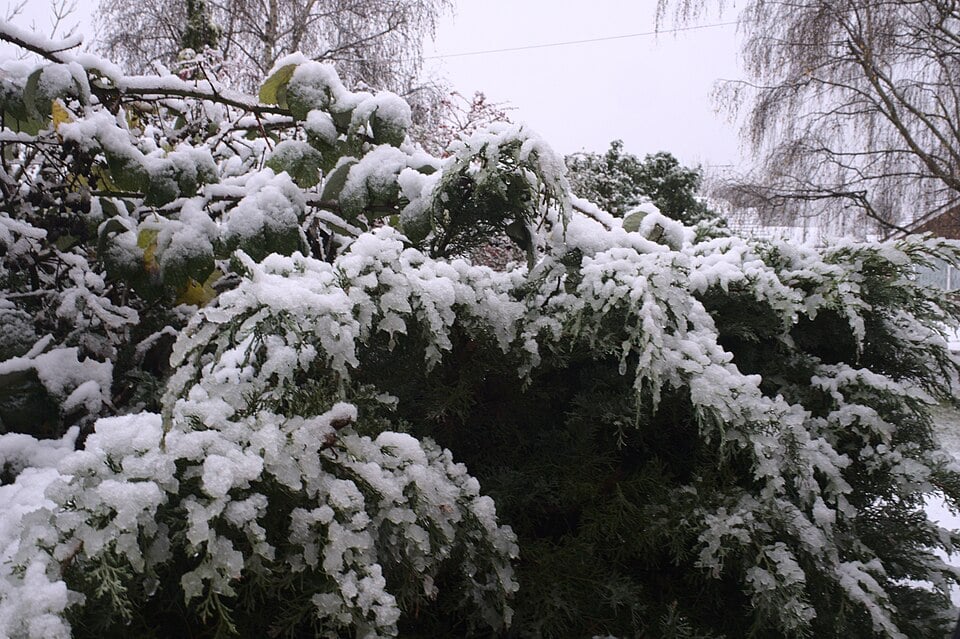
Physically brushing off snow and ice from your plants can help them stand upright and reduce breakage in the long run. This can be especially helpful for plants like arborvitae or junipers.
Use Burlap Wraps and Windbreaks
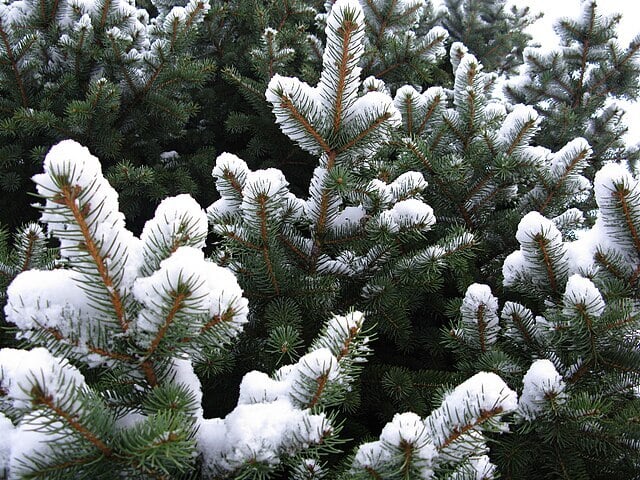
Wrapping young and/or vulnerable species in burlap or windbreaks before winter can help protect them from heavy snow, high winds, and even sun scald.
Avoid Salt Damage
Unfortunately, in Northeast Ohio, salt is a necessary evil to keep roadways and walkways safe.
However, you can avoid salt damage by trying to place your trees and shrubs away from the road, sidewalk, or driveway.
If your plants are already placed near a hard surface that requires salt, you can provide these plants with extra water before a freeze and consider adding a fencing barrier to limit salt spray.
Invest in a Plant Health Care Program
To further bolster your trees and shrubs against winter’s gnarly conditions, you may want to consider tapping a local plant health care company to implement a plant health care program.
At Turf Pride, our program includes a fall fertilization treatment, which can help fortify your plant’s root health during dormancy, a spring fertilization to help promote strong and healthy buds, flowering, and new growth as plants come out of dormancy from winter, as well as dormant oil treatments, which can help prevent overwintering pests. The regimen also includes insect and disease control to help your plants fend off these types of threats.
/Live%20Website%20Images/technician-talking-to-two-customers.jpg?width=1600&height=902&name=technician-talking-to-two-customers.jpg)
Why Local Expertise Matters for Winter Landscape Care
Because Northeast Ohio’s climate is so unique, and sometimes unpredictable, it’s crucial that you get winter tree and shrub care right the first time.
Our plant health professionals at Turf Pride have a deep understanding of the region’s soil types, native trees and shrubs species, and local weather conditions.
They can help strengthen your plants not only in the winter, but all year long. Plus, they’re ready to help you with your tree and shrub questions at any time of the year.
Choose Turf Pride to Protect Your Landscape This Winter
/Live%20Website%20Images/turf-pride-receptionist-on-phone.jpg?width=1200&height=676&name=turf-pride-receptionist-on-phone.jpg)
Don’t wait until snow hits to think about what your trees and shrubs need this winter. Contact Turf Pride for professional winter tree and shrub care in Northeast Ohio and request a free quote today.

Image Source: Ice on tree, snow on tree, evergreen snow, snow and ice evergreen


