

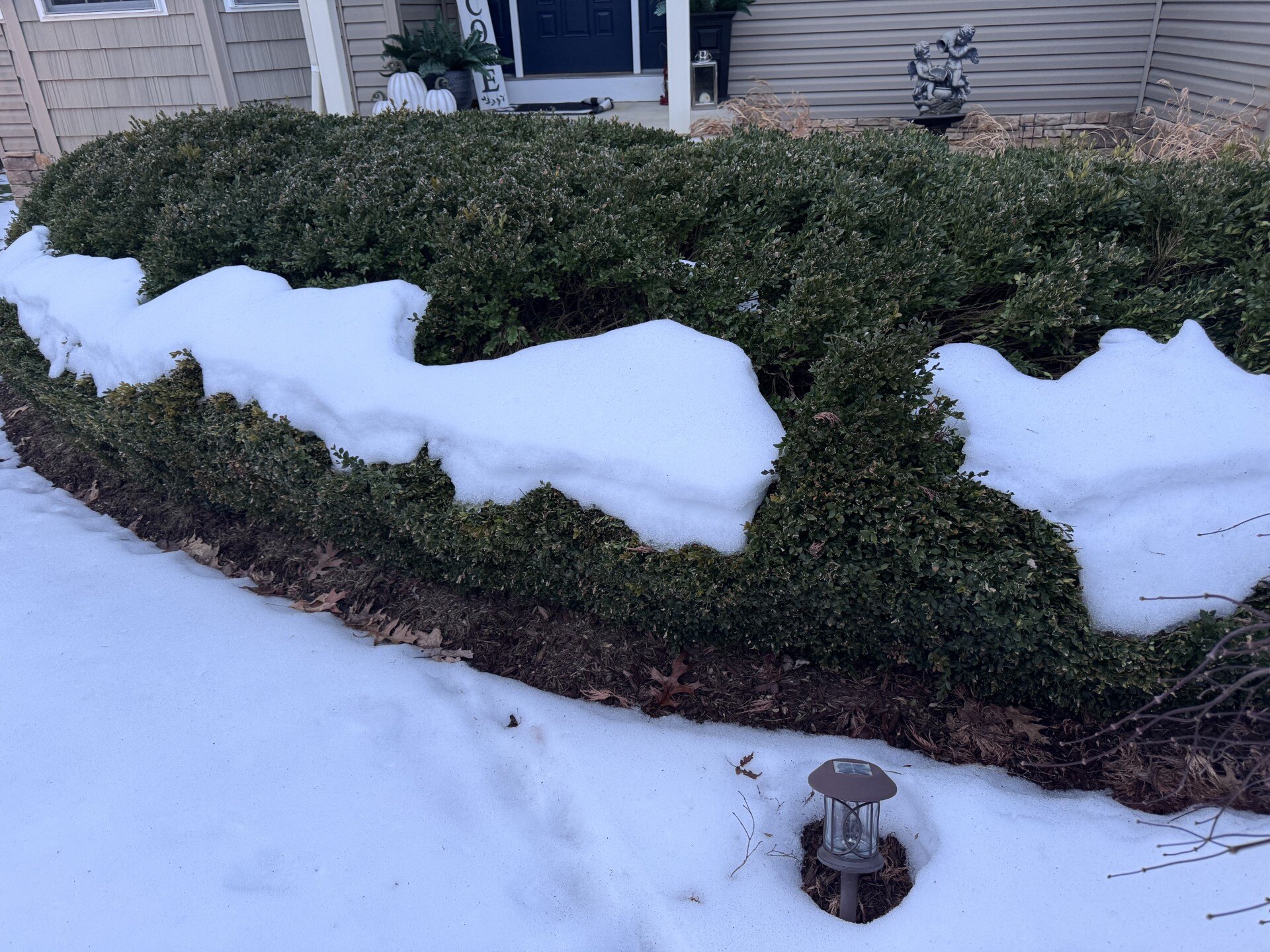
Spring Recovery Tips for Winter-Burned Evergreens and Shrubs
Does it ever seem like your evergreen trees and shrubs are having trouble turning over a new leaf come springtime?
Do they seem brown or discolored? Are they less vibrant than they usually are? Have you noticed they aren’t exhibiting as much growth as normal?
It could be that they are suffering from winter burn, a cold-season issue prevalent in Northeast Ohio, especially as wintry conditions such as frozen soils, wind, and road salt take hold.
Let’s explore what winter burn is, how to treat winter burn on shrubs and trees, spring recovery for winter-burned trees and shrubs, and more.
What is Winter Burn?
It’s no secret that winters in Northeast Ohio can be brutal not just to us humans but also to your trees and shrubs.
Winter burn, also known as dessication, can happen as a result of a variety of factors, such as wind, frozen soil, and sun.
A phenomenon most likely to affect your evergreen trees and shrubs because those types of plants keep their leaves all year round, winter burn can cause your trees and shrubs to look crispy, wilty, and brown.
Now let’s dig into how these forces of nature join together to create a winter burn effect.
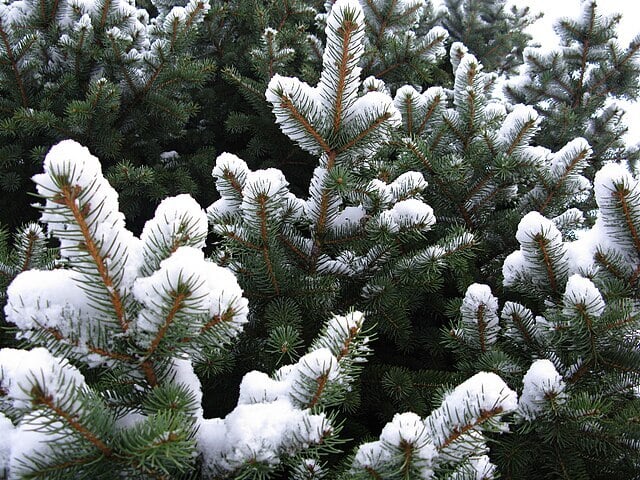
Wind’s Effect on Trees and Shrubs
In Mentor and surrounding areas, high winds whipping off of Lake Erie are no joke.
In wintertime, these heavy winds can suck moisture from a plant’s leaves more quickly than the roots can replace it.
You may notice the effects of wind burn most on the exposed areas of your trees and shrubs.
Frozen Soil’s Impact on Trees and Shrubs
When frigid temperatures cause the ground to freeze, your trees and shrubs have a harder time accessing any water that’s stored in the soil. This can contribute to dehydration.
Winter Sun’s Influence on Trees and Shrubs
While sunny days feel rare during winter in Northeast Ohio, it’s not unheard of to experience sunshine in wintertime, and believe it or not, it can do a number to your trees and shrubs.
The detrimental effect of the sun in winter is twofold.
First, the sun heats the leaves, leading to water loss and accelerating dehydration.
Next, the warm sun prompts the plants’ needles and leaves to start photosynthesizing, meaning they require more water. While this is normally not a problem, frozen soil means your tree or shrub has lost its access to water, so your trees and shrubs become even more dehydrated.
Pro Tip: You may notice the most damage from the sun on the south/southwest-facing part of your plant. Younger evergreen trees and newly planted shrubs are also more susceptible because they don’t yet have an extensive root system from which they can draw water.
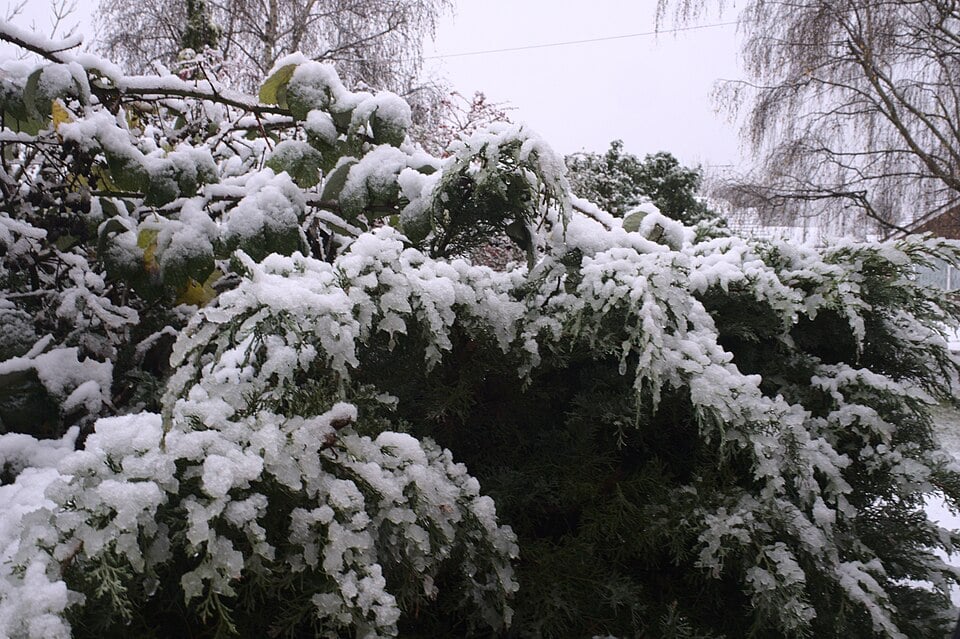
Road Salt Damage to Trees and Shrubs
To add insult to injury–or, salt to the wound–road salt that’s applied before snow and ice storms can intensify the effects of winter burn.
For instance, your trees and shrubs can sustain damage from road salt by being sprayed or splashed with salty water by vehicles on the road. Or, salt from the road can seep into the soil, further dehydrating your plants. What’s more, some trees and shrubs have a harder time tolerating the higher alkalinity levels of the soil due to salt.
Trees and shrubs located near roadways or other hard surfaces treated with salt are most likely to be affected by salt damage.
So, if you are wondering about the best place to put your new tree or shrub, avoid placing it too close to the road or driveway if you can.
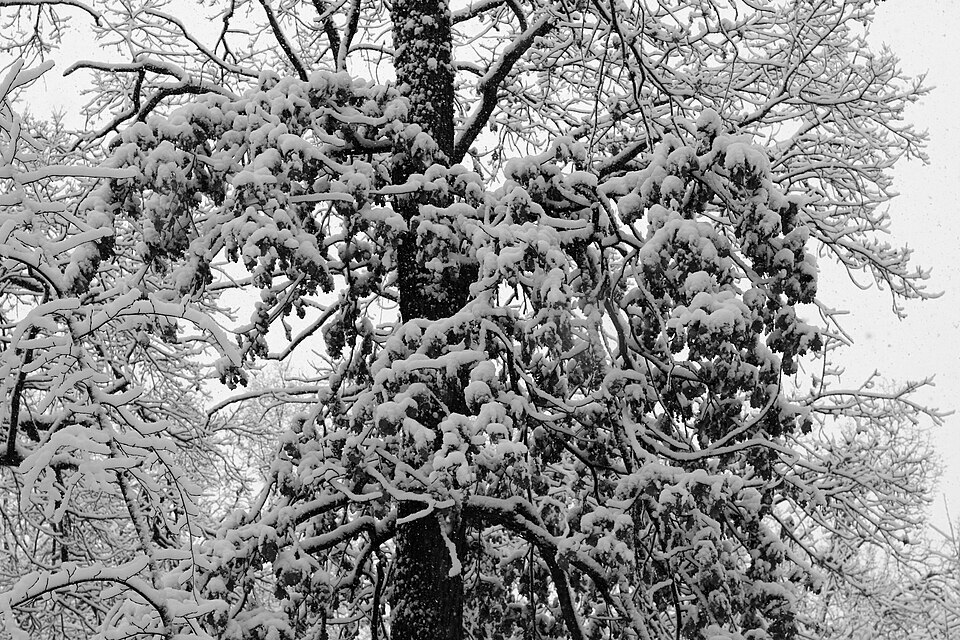
Freeze-Thaw Cycle Impact on Trees and Shrubs
It’s also worth noting that the freeze-thaw cycles happening throughout the wintertime can cause further damage to your trees and shrubs.
This is because on warmer sunny days, the leaves lose water, but as temperatures drop again, either at nighttime or throughout the course of the winter, the water freezes, damaging the plants’ delicate tissues.
Tips for Healing Winter Damaged Shrubs and Trees
The good news is that you can revive trees and shrubs after they’ve experienced winter burn.
Let’s take a look at a few do’s and don’ts of winter burn recovery.
Do’s for Reviving Winter-Burned Trees and Shrubs
Check for Symptoms
Don’t wait to check for signs of winter burn. If you do, you may find that it’s too late to save your tree or shrub.
Water Your Trees and Shrubs
It’s common sense to water your trees and shrubs during the hot days that can impact Northeast Ohio in summertime, but you should also take care to water your trees and shrubs in other seasons as well.
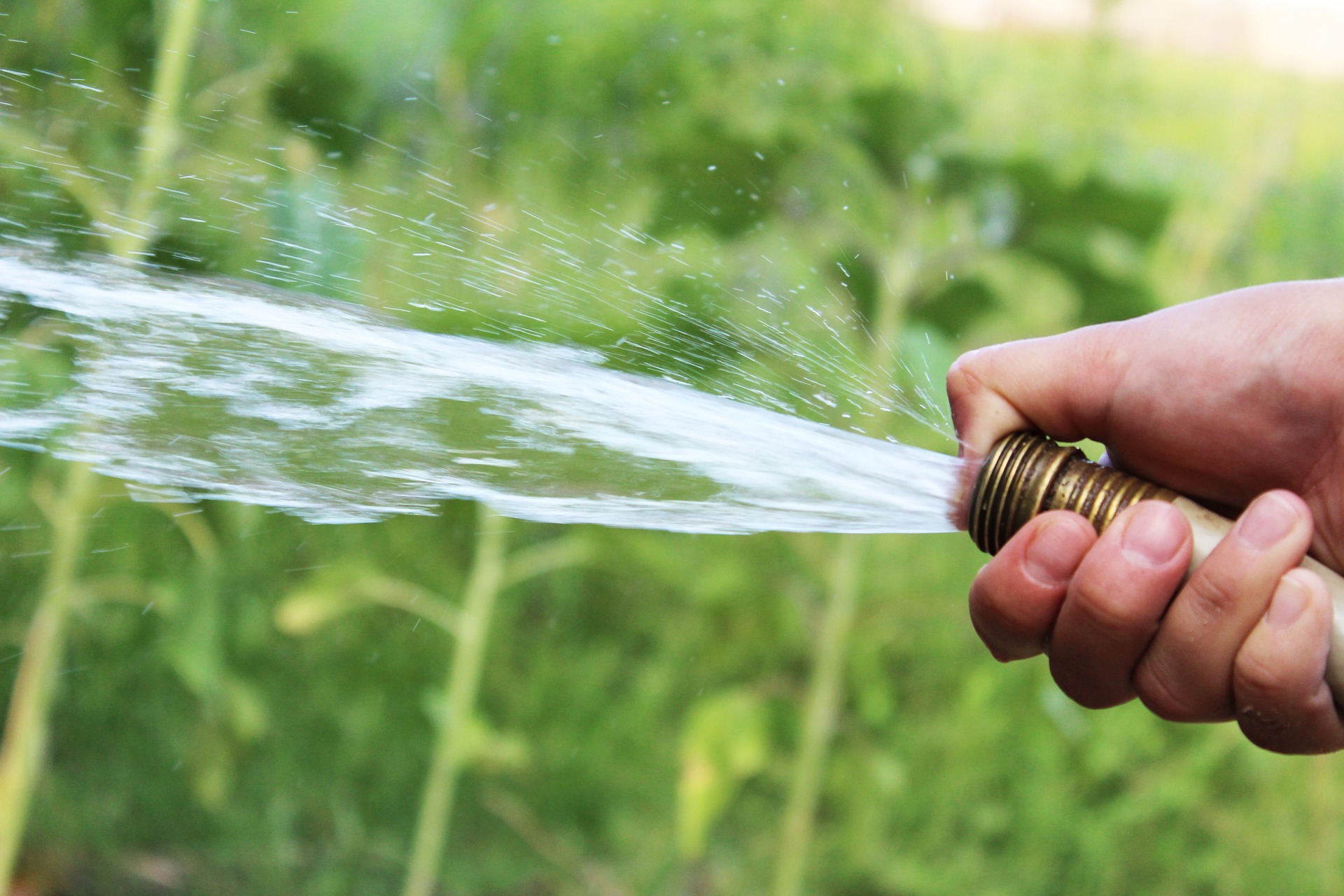
Douse your evergreen trees and shrubs with water before the ground freezes so that they have enough water to sustain them throughout the winter. A slow and steady drenching of the soil is best.
Wrap Your Trees
Wrapping young or thin-barked trees and shrubs during winter will not only reflect intense sunlight from your plant, but it can also help block it from the dehydrating winds. An added bonus to wrapping is that it will protect trees from possible deer damage also!
Pro Tip: Wrap your trees in light-colored materials in the fall and be sure to remove the wrappings after the last frost in spring so that heat and moisture don’t become trapped.
Fertilize Your Trees and Shrubs
It’s a good idea to give your tree and shrubs a little extra boost through fertilization.
At Turf Pride, we fertilize trees and shrubs two separate times during the year: once in the fall to give them something to feed on over the winter and once in the spring to help them come out of dormancy and promote leaf and shoot growth.
Don’ts for Restoring Winter-Burned Trees and Shrubs
Don’t Prune in Springtime
While it’s tempting to want to prune away any brown or damaged spots on your plants as temperatures warm up in the spring, it’s essential that you don’t prune your evergreen trees and shrubs during this time.
In springtime, your plant is going through several internal processes to produce new buds and grow, so pruning your plants during this time can stress them out and cause more harm than good.
Instead, prune your trees and shrubs in the summer, for example, in June, or during their dormant time in the winter. This will help promote more air to flow through your plants, enabling them to breathe better.
If you’d like, you can also allow your trees and shrubs to grow out the winter damage on their own.
Don’t Remove Large Portions of the Plant
When you do decide to prune your plant, it’s also important to not cut off large sections at a time. Doing so can also stress out and weaken the plant, making it more susceptible to insect and disease infestation.
Don’t Neglect General Plant Health Care
If you notice your trees and shrubs have experienced winter burn, don’t give up on them.
As with many things in life, preventative care is often the most effective.
For trees and shrubs, this means providing them with care all year round through fertilization, insect and disease control, and dormant oil treatments.
At Turf Pride, our plant health care program includes all of the above so your trees and shrubs can be at their healthiest all year long.
Turn Over a New Leaf With Turf Pride
Not sure where to start when it comes to helping your trees and shrubs shake off the winter blues? Don’t worry—at Turf Pride, we’ve got your trees and shrubs covered.
Our plant health care programs give your landscape the nutrients and protection it needs to grow strong, leaf by leaf, and stand tall against seasonal threats all year long.
Call today or request a free quote to help your plants branch into better health.

Image Source: Ice on tree, snow on tree, evergreen snow, snow and ice evergreen