
/Live%20Website%20Images/turf-pride-customer-green-lawn-shrubs.jpg)
Understanding Soil Health and Its Impact on Plant Growth in Northeast OH
The well-being of your plants and ornamental trees depends not only within the plant, but also within what lies beneath: the soil.
The impact of soil health on plant growth should not be underestimated.
Let’s dive into why soil health in Northeast Ohio is so important, key soil nutrients, soil structure’s impact on plants, how a plant health care provider can help improve your soil health, and more.
What Is Soil Health — And Why Does It Matter for Trees and Shrubs in Northeast Ohio?
If you’re wondering what all soil health entails, you’re not alone.
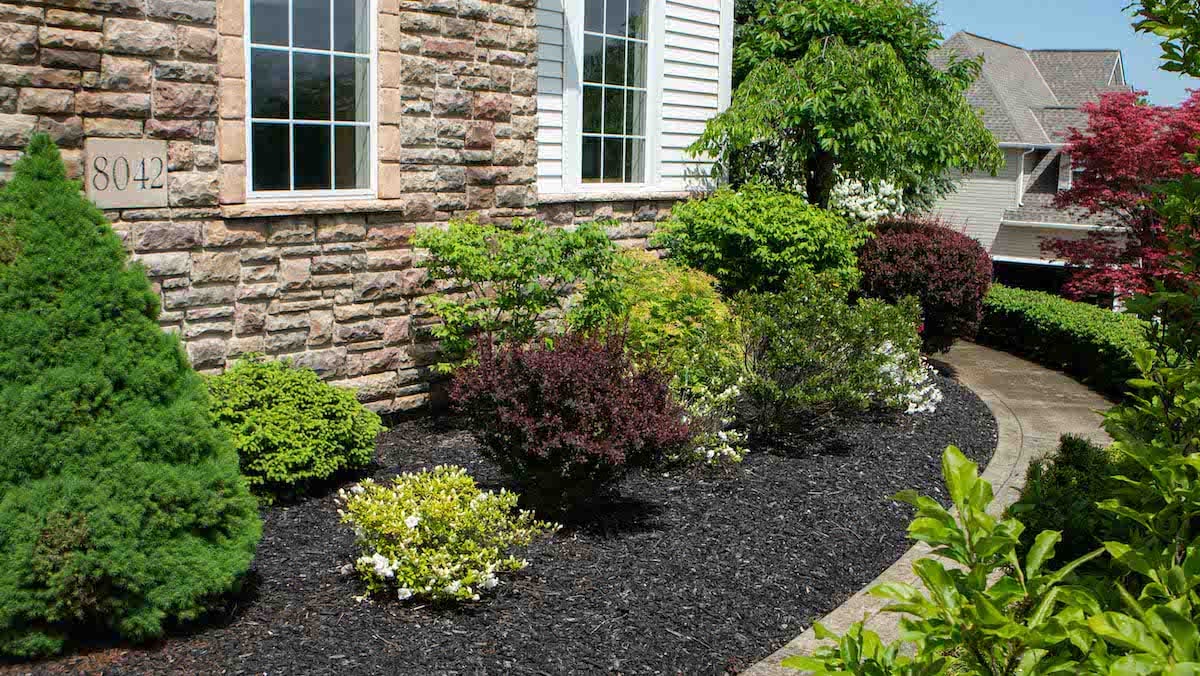
Healthy soil serves as a viable ecosystem for many forms of life and includes several components:
- A strong, yet varied, ecosystem of biological organisms, like bacteria, fungi, and microorganisms.
- A solid physical structure that allows air, water, and nutrients to flow through and enables roots to take hold.
- An ability to store nutrients for plants that can be released at later times.
Healthy soil can also stand up to different stressors, like erosion, compaction, and other climate impacts that can have an effect on Northeast Ohio.
The Impact of Soil Health on Plant Growth
Why is healthy soil so important for your plants?
The majority of ornamental trees and plants take hold in the root zone, or top section, of your soil, as this is where the roots take in the air, nutrients, and water needed for the plant to survive.
Poor soil weakens plants because it reduces oxygen for the roots, prohibiting root respiration, and deprives the plants of important nutrients and water.
Indications of low oxygen in the soil can include:
- Sudden leaf collapse
- Discolored foliage
- Stem cankers
- Development of abnormal, large pores on roots
Compacted or water-logged soil can have the same effects. For instance, too much water can lower oxygen levels below 10-12 percent, which makes roots stop respiration, leading to wilting, root rot, and death.
That’s why it’s also important to alleviate compaction and balance water retention and drainage.
Poor soil health can also lower plant immunity as stressed plants emit distress signals that can attract pests, and poor soil quality also provides a breeding ground for harmful pathogens, fungi, and insects to thrive.
By the time you see the effects of poor soil quality, your plants may be at a point where they cannot be saved, so it’s crucial that you deploy preventive measures to ensure your soil is in good health.
Soil Nutrients in Northeast Ohio: What Ornamental Plants Actually Need
In order to avoid the above conditions, it’s essential that ornamental plants and trees receive the right nutrients at the right time in the right amounts.
In fact, ornamental plants actually require two different types of nutrients: macronutrients and micronutrients.
Micronutrients, or trace elements, assist the plant in performing functions like chlorophyll production, while macronutrients such as nitrogen, phosphorus, and potassium, are needed in larger amounts to promote growth.
Both types of nutrients can be found in fertilizer, but it’s important to note that fertilization for trees and shrubs differs from fertilization for your lawn.
For example, at Turf Pride, for trees and shrubs, our technicians use a foliar technique, where a liquid application is sprayed directly onto the plant for fast absorption.
We do this instead of soil injections because some Northeast Ohio properties feature clay soil, which makes it difficult for the nutrients to reach the roots, and other homes feature sandy soil, which increases the chances that the fertilizer could get washed away before it reaches the plant.
Soil Structure and Its Impact on Plants in Ohio Landscapes
Soil structure, or how the individual soil particles are grouped together, can also heavily impact the health of your plants.
It is what determines the physical environment required for roots to access nutrients in the soil.
A healthy, porous soil prevents compaction, allows water to flow through the soil, provides a good environment for beneficial microorganisms, and promotes deeper root development, ensuring plants can utilize available nutrients efficiently.
A stable soil structure can also reduce erosion from wind and water, stabilize plant growth by allowing deeper root growth, and prevent trees from falling over in severe storms.
In places like Mentor and surrounding areas, there are a few soil structure issues to watch out for.
/technician%20spraying%20shrubs%20front%20yard.jpg?width=1600&height=902&name=technician%20spraying%20shrubs%20front%20yard.jpg)
Compaction
Clay soils, which have a higher density than other types of soil, can become severely compacted if left unchecked.
The lack of air or oxygen in compacted soil can make it difficult for roots to spread and stay healthy, leading to stunted growth and promotes root decay.
While sandy soils, common closer to Lake Erie, are less prone to compaction, they are not immune.
Nutrient Imbalances
If your soil exhibits a nutrient imbalance, this can also inhibit healthy plant growth.
Poor Drainage
Poor water drainage makes soil very saturated and can drown roots. Moreover, plants that do prefer wet soils can develop root rot very easily, leading to the fast decline of the plants.
Erosion
For sandy soils that characterize properties closer to the shores of Lake Erie, erosion is a major concern as the seasonal freezing and thawing can cause plant upheaval.
Metal Contamination
In more urban areas, heavy metal contamination within the soil can also become an issue.
Common Signs Soil Health Is Affecting Your Trees and Shrubs
Pay close attention to what’s happening with your trees and shrubs and the surrounding areas. More often than not, signs above the soil will help direct you to potential issues underneath.
Keep an eye out for:
- Water pooling around the root zones, which can indicate compaction or drainage issues.
- Hard soil near landscape beds, pointing to compaction.
- An overall decline or uneven growth pattern in your plants year over year.
- Increased pest or disease pressure as insects and diseases tend to thrive in stressed soil conditions.
Tips and Tricks for Healthy Plants
In addition to investing in a plant health program, there are a few other things you can do to give your ornamental trees and plants the best chance possible to thrive.
1. Location Matters
First, determine the proper location for each plant. For example, plants that thrive in direct sunlit areas will not grow as well in shade.
2. Variety is Key
Avoid replacing a plant that died with the same kind of plant. If the previous plant suffered due to a soil-based disease, then planting the same kind of shrub will not be immune to the disease and will most likely cause quick decline.
Pro Tip: Perform a soil test where you plan to place the new plants to find out if the soil is lacking in nutrients. Also, be sure to check the area’s drainage to determine the type of plant that will succeed in the area.
3. Pay Attention to Plant Preference
The planting process is not a one-size-fits-all approach.
Some plants prefer to be planted higher in the soil than others to avoid sitting in wet soil. Some plants do better in sandy soil rather than clay soils. Some plants prefer all day shade and can't tolerate direct sun.
/Live%20Website%20Images/turf-pride-lawn-shrubs.jpg?width=1200&height=676&name=turf-pride-lawn-shrubs.jpg)

How Professional Tree & Shrub Care Improves Soil Health in Northeast Ohio
Before your plants try to tell you that something is wrong, it’s best to invest in their overall health with a plant health program.
At Turf Pride, we offer science-based treatment plans tailored to Northeast Ohio conditions that will improve the soil, promote stronger roots, and enhance nutrient uptake, resulting in more resilient plants.
Here’s a look at what you can expect with our treatment programs that cover trees and shrubs under 20 feet tall:
Tree & Shrub Fertilization
Applied through foliar applications, fertilization in the spring helps promote shoot and bud growth, as well as flowering, while fall fertilization gives the plants nutrients to use for better root development over the winter.
Allowing a licensed professional to fertilize your plants will result in proper applications, faster identification of possible problems, and the use of products that you as a homeowner may not be able to purchase at a normal retail store.
Be aware that improper use of fertilizers can lead to extreme damage to plants.
Insect & Disease Control
Taking place during the growing season, our pest and disease treatments are preventive, meaning they are performed before insects and diseases have the time to inflict much damage.
Dormant Oil Treatment
To top it all off, our technicians apply a horticulture oil near the end of the year, which helps defend against pests such as scale insects.
Long-Term Soil Health
Healthy soil and plants stem from proper care.
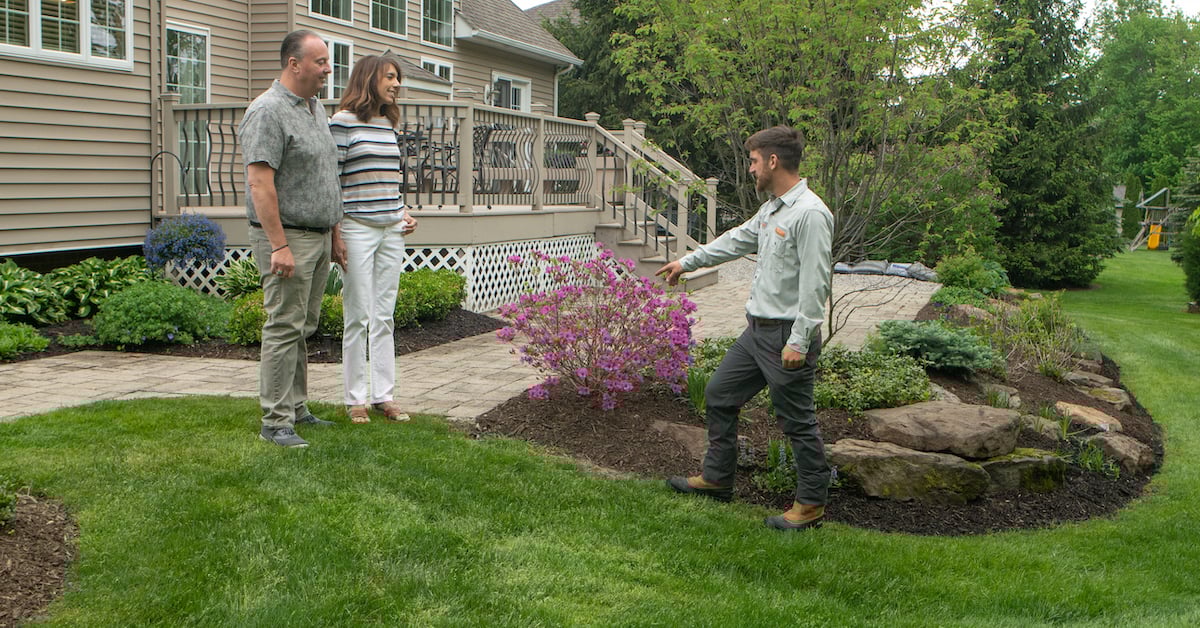
Not only do our plant health specialists provide the proper treatments for your plants to thrive over an extended period of time, but they can also help you make an informative decision on what would grow best in your landscape.
Protect Your Landscape Investment in Mentor & Northeast Ohio
Plant health starts from the ground up, and and with the right care, your landscape can truly grow into its full potential.
Avoid the costs and burden of constantly replacing trees and shrubs. At Turf Pride, our team specializes in residential plant care and understands the unique soil conditions found throughout Northeast Ohio.
/Live%20Website%20Images/close-up-spraying-shrubs.jpg?width=1600&height=902&name=close-up-spraying-shrubs.jpg)
Schedule a free tree and shrub consultation for your home in Mentor or a surrounding area today.