
How to Get Rid of Ground Ivy in Your Lawn & Why It Takes Over
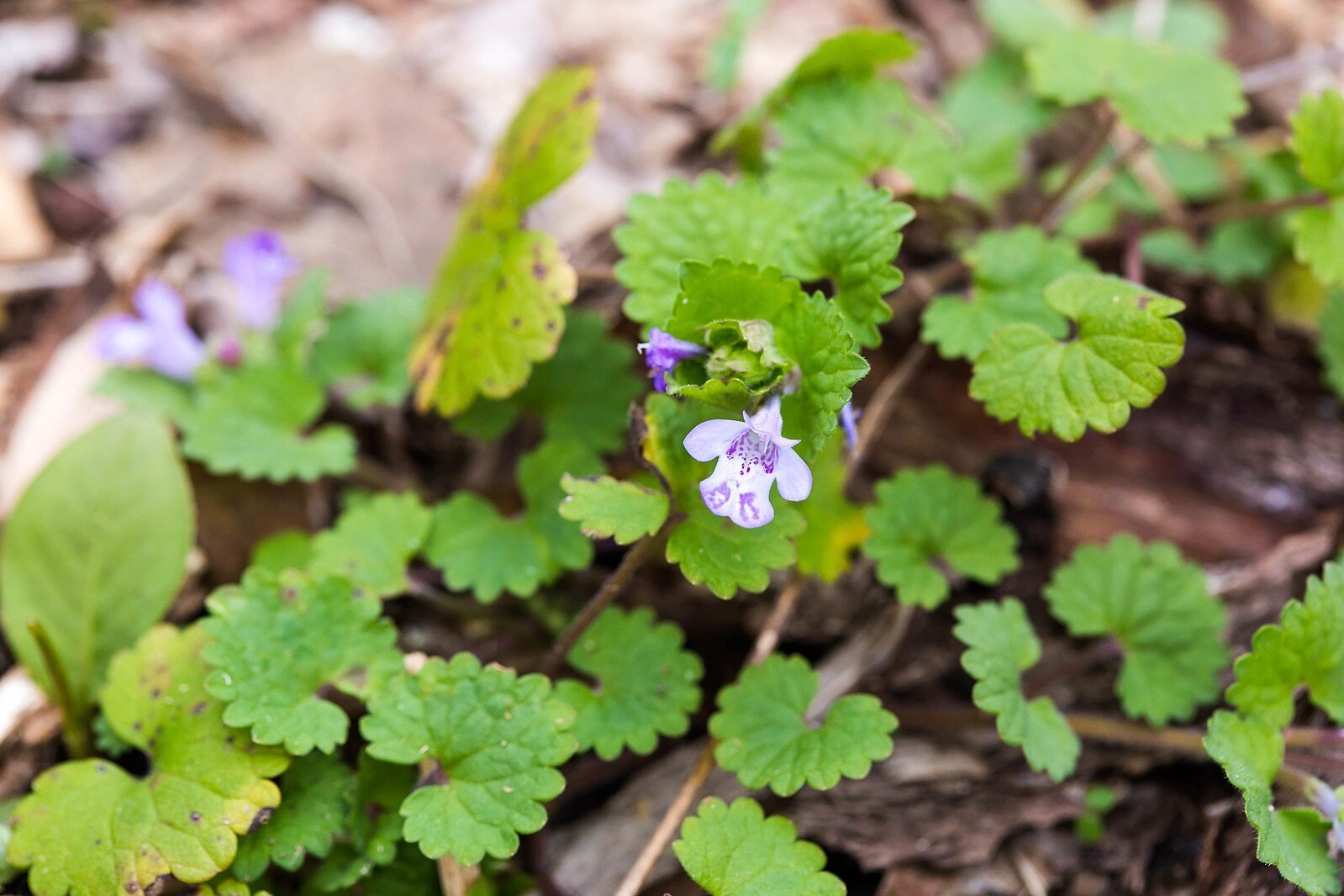
Ground ivy can seemingly take over a Northeast Ohio lawn before you realize it is there. Also known as creeping Charlie, this low-growing perennial weed spreads through creeping stems that root as they move across the soil, allowing small patches to become dense mats.
You are especially likely to find ground ivy in areas where grass struggles to grow, including shady, damp, compacted, or thin sections of your lawn. Once established, it can be difficult to control because pieces of the plant can continue producing new roots and growth.
The good news is that ground ivy does not have to become a permanent part of your lawn. Correctly identifying the weed, understanding why it is thriving, and choosing the right control strategy can help you slow its spread and support healthier grass.
In this article, we’ll explain:
-
What ground ivy looks like
-
Where it commonly grows
-
Why it spreads so quickly
-
How to get rid of ground ivy in your lawn
-
When professional weed control may be helpful
What Is Ground Ivy and Why Does It Take Over Lawns?
Weeds are very stealthy. They like to spring up whenever they get the chance. You don’t want those weeds emerging throughout the growing season, taking away from the overall beauty and enjoyment of your Northeast Ohio lawn.
Ground ivy in your lawn is one of them. This weed, also referred to as creeping Charlie, has some distinct characteristics. Here, we’ll dive into them. 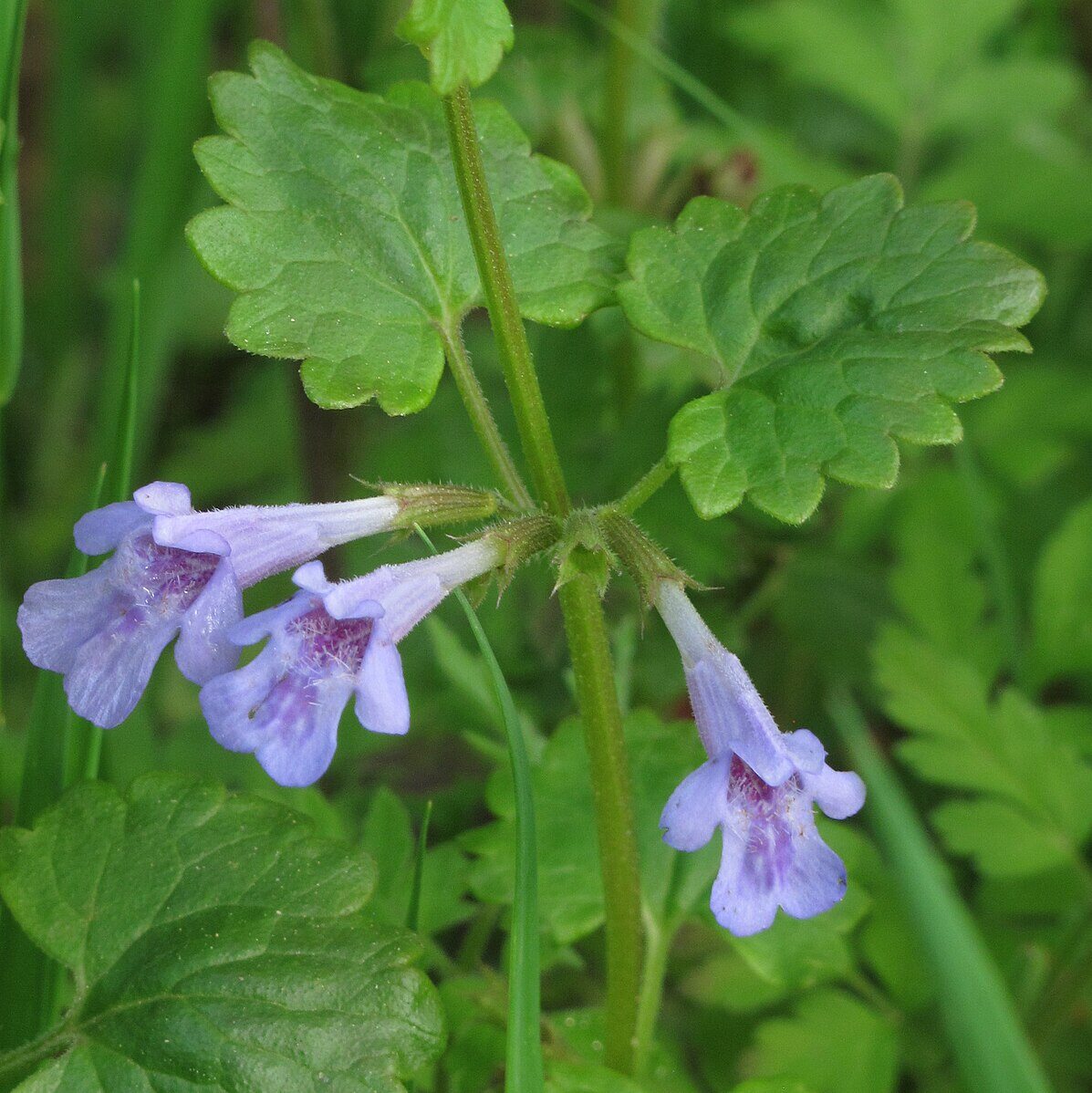
What Does Ground Ivy Look Like?
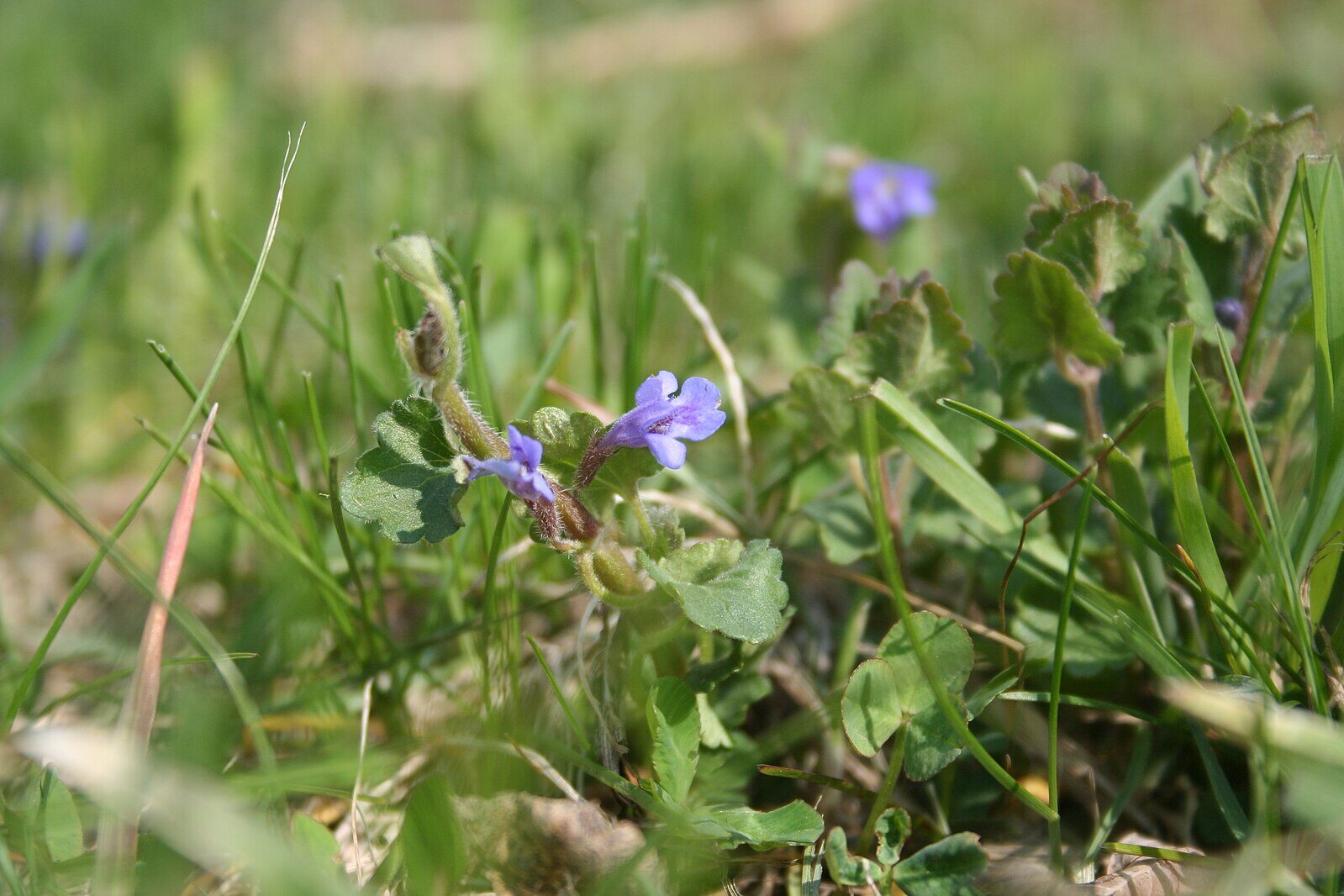
When you're looking for ground ivy in your lawn, you’re looking for large patches of green, low-growing foliage.
These dense mats of small, rounded, scalloped leaves will spread across the lawn. Its roots can grow deep underground.
In spring, this weed will get small, purple flowers.
Ground ivy can sometimes be confused with other broadleaf weeds growing in your grass. If you are not certain what you are seeing, compare its leaves and flowers with these other common lawn weeds found in Northeast Ohio.
Where Does Ground Ivy Grow?
Ground ivy in your lawn loves moist, shady conditions, where it often takes the opportunity to spread unchecked.
Moist soil conditions accelerate creeping Charlie’s growth and spread. This can take place under trees or in areas that receive limited sunlight.
This weed prefers thin, weak grass, where it can outcompete other plants by forming dense mats with its creeping stems and roots. It thrives in unhealthy grass.
/technician%20bare%20spots%20lawn%20looking%20close.jpg?width=1200&height=676&name=technician%20bare%20spots%20lawn%20looking%20close.jpg)
When Does Ground Ivy Grow and Spread Most Rapidly?
Ground ivy in your lawn can usually sprout up in spring and fall.
These times of the year are when the plant is actively growing. This happens particularly in May and June. Creeping Charlie has an aggressive growth habit with a vine-like root system that readily sends out new shoots that enable this rapid expansion.
How to Get Rid of Ground Ivy, Also Called Creeping Charlie
Since this perennial weed returns annually and can grow multiple sets of roots, controlling it can become a challenge.
Try these strategies for effective and efficient ground ivy removal.

Start With a Healthier, Thicker Lawn
A thin, weak lawn is more susceptible to getting ground ivy in your lawn. So you want to do the things that can make your lawn thicker and healthier to prevent it from taking over your Northeast Ohio lawn.
This means mowing to a 3.5- to 4-inch height, watered appropriately (not too much and not too little) and adding the proper balance of nutrients through regular fertilization.
If compacted soil and thinning grass are giving ground ivy more room to spread, aeration and overseeding can help strengthen your Northeast Ohio lawn by relieving compaction and encouraging thicker turf growth.
/lawn%20mowing%20height.jpg?width=1200&height=676&name=lawn%20mowing%20height.jpg)
These proper care practices create a healthier, thicker, stronger lawn that can withstand weeds like ground ivy. To prevent overly shady areas, make sure to also trim your tree branches that hang over lawn areas to ensure they receive adequate sunlight.
How Professional Weed Control Targets Ground Ivy
When it comes to additional strategies in addition to proper lawn care to get rid of creeping Charlie, professional lawn care companies will use weed control applications for ground ivy removal.
This approach usually involves using selective herbicides multiple times during the growing season to manage this aggressive weed.
Because ground ivy often requires more than a one-time treatment, an ongoing Northeast Ohio lawn care program with fertilization and weed control can address the weed while also helping your grass grow thicker and better resist future spread.
/crew-fertilizer-lawn-treatment.jpg?width=1200&height=800&name=crew-fertilizer-lawn-treatment.jpg)
When to Call a Lawn Care Professional for Ground Ivy
You want a lawn care program that focuses on year-round lawn health. Since nothing crowds out weeds like thick grass, this can help you get rid of all types of weeds in Northeast Ohio, including creeping Charlie.
If you feel like you’re constantly fighting ground ivy in your lawn, then it might be time to partner with a professional lawn care company in Northeast Ohio. Turf Pride can help! We deliver a customized approach to boost overall lawn health and get rid of weeds like ground ivy. Then you can enjoy a better looking, healthier lawn as a result.
Is waging war on weeds like ground ivy keeping you from having a lawn you can be proud of? Turf Pride would love to learn more about your lawn challenges. Get started today with a free quote. Together, we’ll prepare a customized plan for lawn care services in Northeast OH that leads you to the best choice for you and your lawn.

Image Source: Ground Ivy, Ground Ivy 1, Ground Ivy 2