
/TurfPrideSpring2022(WebOptimized)-65.jpg)
Is My Grass Dead or Just Dormant? How to Tell & What to Do in Northeast Ohio
There’s nothing more frustrating than watching your once-green lawn turn an uninviting shade of brown. Whether it’s happening in patches or across the entire yard, it immediately raises concerns:
Is my grass dead? Or is it just dormant? And more importantly, what can I do about it?
In Northeast Ohio, where the weather swings between snowy winters and hot, dry summers, your grass goes through a lot. Not all brown grass means the end of the world—or your lawn. In some cases, it’s a natural response to stress. But other times, it could be permanent damage.
Let’s break down how to tell the difference between dead and dormant grass, what causes each condition, and how you can bring your lawn back to life if needed.
Understanding Why Your Grass Turns Brown
Before panicking about dead grass, it’s important to understand that not all brown grass is dead. Some turf types go dormant in response to environmental stress.
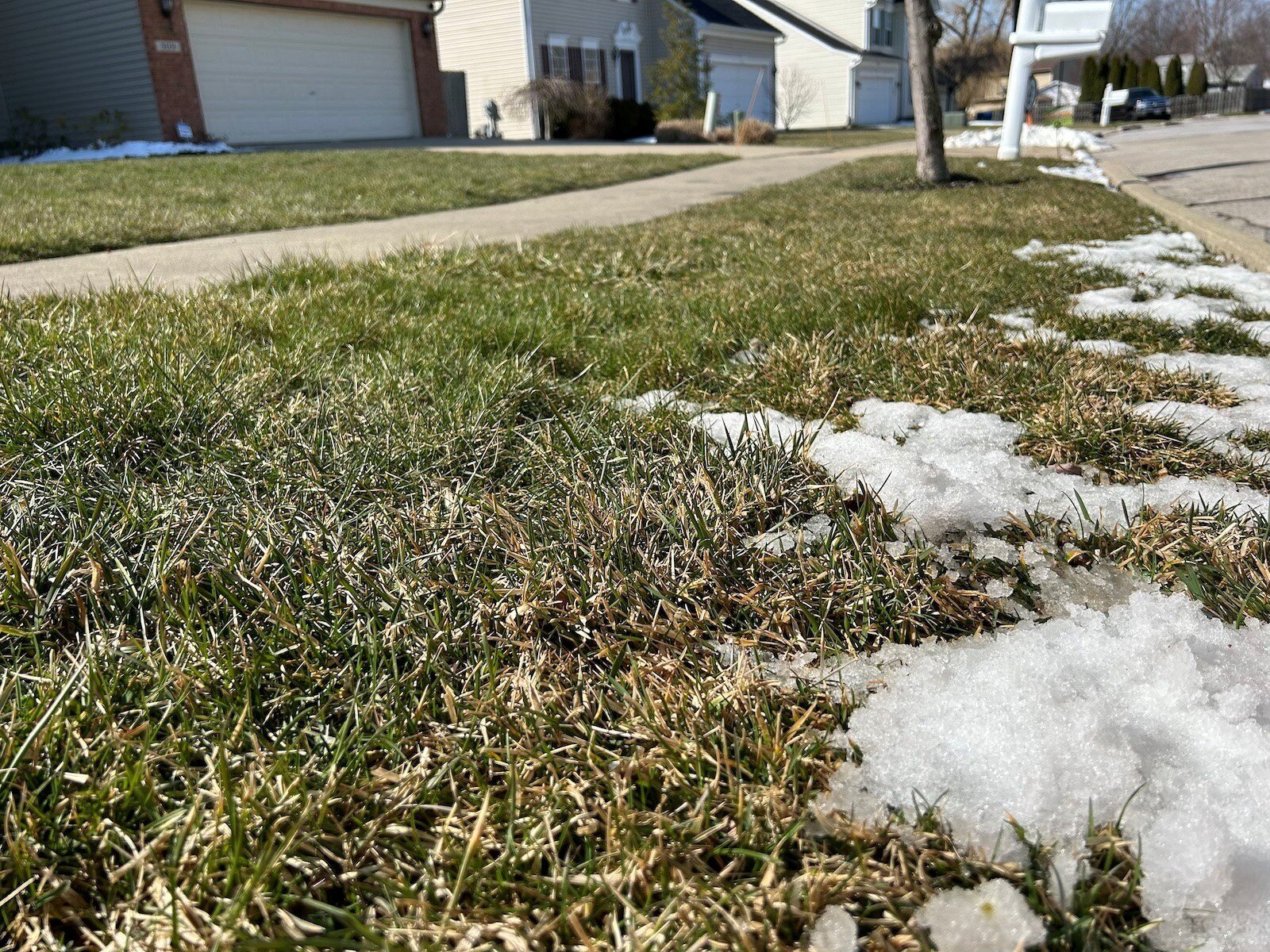
Dormancy Is Normal for Cool-Season Grasses
In Northeast Ohio, we grow cool-season grasses like Kentucky bluegrass, ryegrass, and fescue. These grass types can turn brown and enter dormancy when exposed to:
- Extended drought or high temperatures (usually July–August)
- Freezing winter conditions (typically after November)
Dormancy is your lawn’s way of conserving energy and surviving harsh conditions. When temperatures moderate and water becomes available again, it will usually recover.
But not always. Sometimes, brown grass is actually dead grass, and it won’t bounce back on its own.

How to Tell If Your Lawn Is Dead
Here are some key tests and signs you can use to evaluate the condition of your turf.
1. Try the “Tug Test” for Dead Grass
/TurfPrideSpring2022(WebOptimized)-64.jpg?width=872&height=491&name=TurfPrideSpring2022(WebOptimized)-64.jpg)
This simple check helps determine whether your grass is alive beneath the surface.
- Grab a handful of brown grass
- Gently tug upward
If it pulls out easily, roots and all, the grass is likely dead.
If there’s resistance, the roots are still intact, meaning the grass is probably dormant or just stressed.
The tug test is especially helpful in areas where the grass appears dry but isn’t responding to irrigation.
2. Look at Lawn Color Patterns
Not all brown patches are created equal. The pattern can reveal a lot.
- Uniform browning across the entire lawn usually indicates dormancy
- Circular or irregular patches of brown grass could point to:
- Lawn diseases (like snow mold or brown patch)
- Insect damage (such as grubs or chinch bugs)
- Pet urine
- Localized drought stress
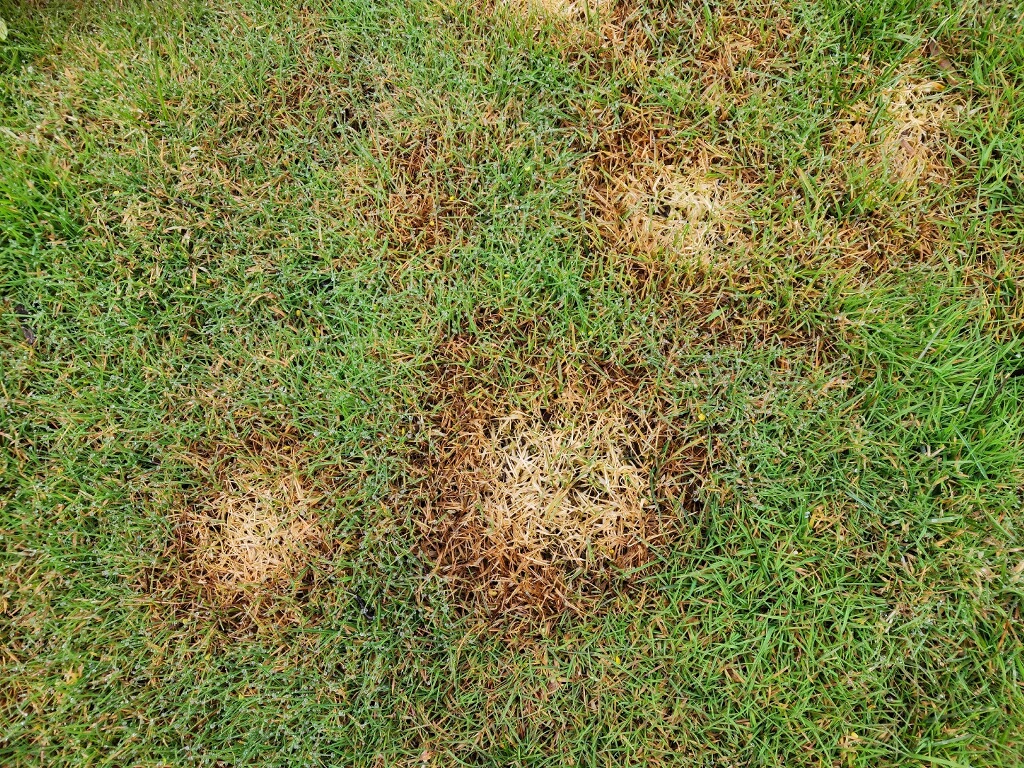
If patchiness spreads day by day or isn’t responding to rain, it’s worth having a lawn care professional inspect it for turf disease or pest issues.
3. Consider the Weather and Season
Brown grass can be seasonal — especially if it happens during:
- Late summer droughts
- Sudden cold snaps
- Winter dormancy
Here in Northeast Ohio, it’s normal for lawns to go dormant during long dry spells or when temperatures drop below freezing.
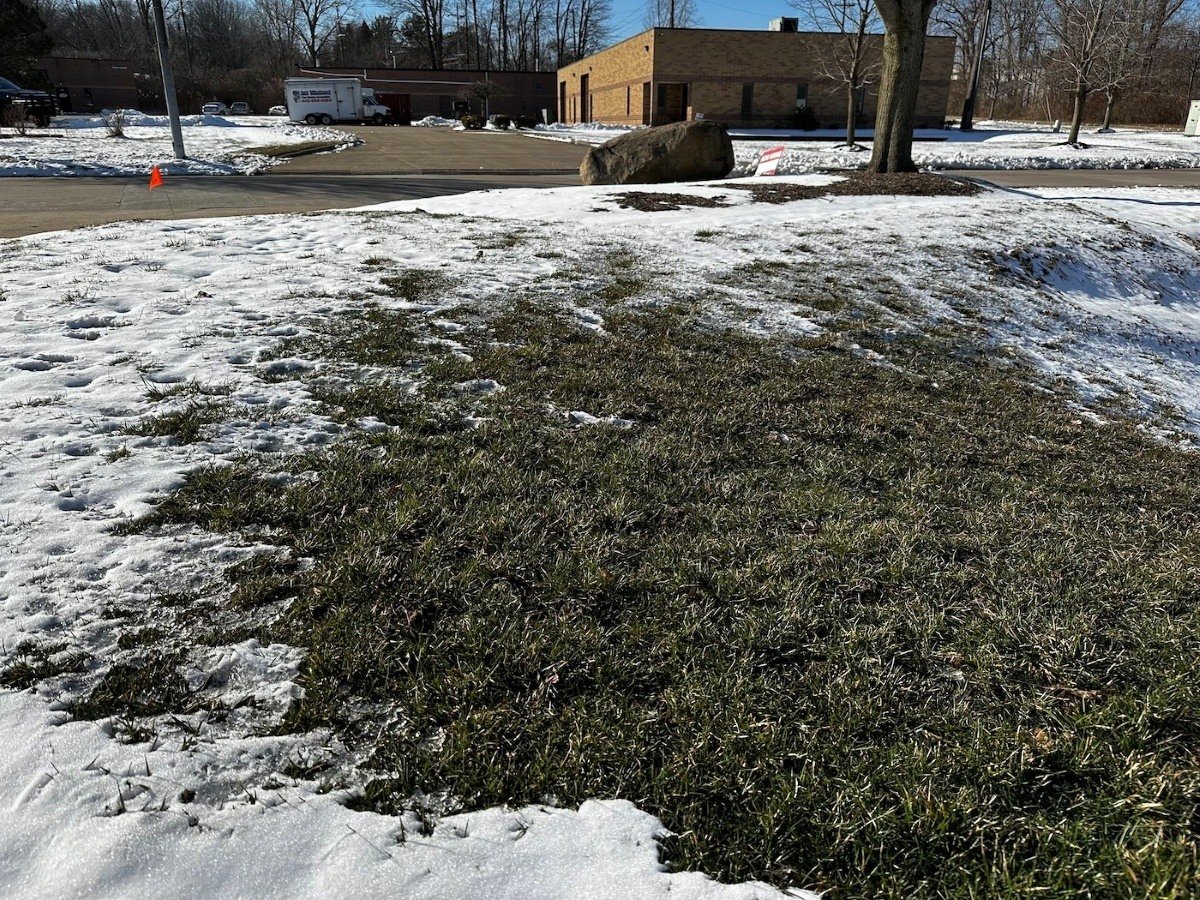
Dormant grass feels firm underfoot and maintains its structure. Dead grass becomes brittle, thin, and won’t stand back up even after rain.
Watering Mistakes That Can Lead to Lawn Decline
Proper watering is essential for healthy turf, but many homeowners unintentionally cause lawn stress by overwatering or underwatering.
How to Water Your Lawn Properly in Northeast Ohio
- Water 1 to 2 times per week, not daily
- Each session should last 45–60 minutes
- Morning watering is ideal (before 10 a.m.)
- Provide 1 to 1.5 inches of water per week, including rainfall
If your lawn is dormant, watering can help revive it. But dead grass will not come back, no matter how much you water.
What to Do If Your Grass Is Actually Dead
If the tug test confirms your lawn (or part of it) is dead, the best next step is to repair and restore it.
Lawn Restoration Tips
- Overseed in early fall — this is the best time in Northeast Ohio to seed new grass, thanks to cooler temps and reduced weed competition.
- Use high-quality seed suitable for cool-season lawns.
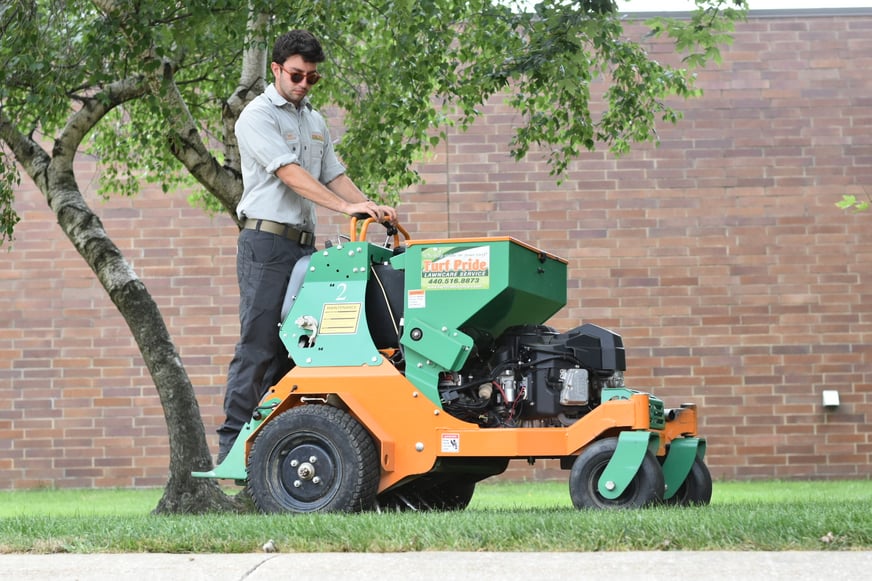
- Aerate your soil beforehand to improve seed-to-soil contact and allow oxygen and nutrients to penetrate.
- Fertilize after seeding with a starter fertilizer to promote root development.
- Water consistently during germination — daily light watering until the grass is established.
For large dead patches, sodding might be a faster solution, though it comes at a higher cost.
How Turf Pride Helps You Revive Your Lawn
If you’re not sure what’s going on with your grass — or you’re tired of guessing — Turf Pride can help.
We’ve helped thousands of Northeast Ohio homeowners identify lawn problems and implement tailored solutions using a combination of:
- Lawn inspections and pest/disease diagnosis
- Custom fertilization and weed control programs
- Aeration and overseeding
- Watering guidance
We know the region. We know the soil. And we know how to bring your lawn back to its green, vibrant best.
/Crew%20looking%20closely%20at%20lawn%20with%20truck.jpg?width=1600&height=902&name=Crew%20looking%20closely%20at%20lawn%20with%20truck.jpg)
FAQs About Brown Grass in Northeast Ohio
How long does it take for dormant grass to recover?
Usually 1–2 weeks after consistent watering and moderate temperatures return.
Can I bring dead grass back to life with water?
No. Water will only help revive dormant grass, not dead grass.
What causes dead patches in my lawn?
Common culprits include lawn pests (like grubs), disease, dog urine, or improper mowing/watering.
What’s the best time to repair a dead lawn in Ohio?
Late summer to early fall is ideal for overseeding and lawn renovations.
Ready to Bring Your Lawn Back to Life?
Seeing brown spots in your lawn doesn’t always mean disaster — but it does mean it’s time to investigate.
Let Turf Pride help you diagnose and fix the problem, whether your grass is dead, dormant, or just in need of a little extra care.
We proudly serve homeowners throughout Mentor, Painesville, Willoughby, OH and surrounding areas.
Get started with a free quote today. Together, we’ll build a plan that helps you enjoy a lawn that’s not just green — but truly healthy and thriving.